
Document version history
Version number | Modified by | Modifications made | Date modified | Status |
1.0 | Shelf | Initial release of the document. | 08 Oct 2023 | Expired |
| 1.1 | Shelf | The document was updated to reflect major changes and improvements in the Shelf integration with Notion. | 24 Oct 2025 | Active |
Document purpose
- What is the Shelf Content Integration Layer?
- What purposes does this feature serve?
- What is a Notion connector?
- How is it configured?
- How is it used in practice?
Glossary
Prior to starting to learn about the Notion connector and its configuration and usage, you need to learn the terminology used by Shelf.
Notion (https://www.notion.so/) is a productivity and note-taking web platform that offers organizational tools including task management, project tracking, to-do lists, and bookmarking. Users can create custom templates, embed videos and web content, and collaborate with others in real-time. For the purpose of this document, Notion is identified as an external content storage.
Shelf KMS (Knowledge Management System) is a knowledge management platform that employs AI capabilities to create, edit, process, store, export/import, and otherwise handle various content. The platform sports multiple AI-enabled features such as Search Copilot, Analytics Copilot, Semantic Search, Content Intelligence etc., all of which are intended to optimize and centralize customer organizations’ knowledge and provide fast, accurate, and consistent answers.
The Content Integration Layer (CIL) in Shelf Knowledge Management System (Shelf NextGen KMS) is a feature that allows for the seamless integration of various types and formats of content into the system. It enables users to import and organize content from various sources and knowledge repositories.
A connector is an entity that defines which external Content Management System Shelf NextGen KMS needs to connect to via Content Integration Layer (e.g. the Notion connector is a set of API parameters to define how to connect Shelf to Notion). Shelf NextGen KMS has a set of preconfigured connectors (Notion, Zendesk, Sharepoint, Confluence connectors, etc.) but also allows for creating the custom ones.
A connection profile is a feature that allows users to establish a connection to various external applications or sources. It enables seamless integration and collaboration between Shelf NextGen KMS and other platforms such as external content repositories. Using Shelf’s connection profiles, users can import and synchronize various content and generally streamline workflows between Shelf NextGen KMS and external systems. This feature enhances the overall efficiency and effectiveness of knowledge management processes by enabling easy access to relevant information from different sources within the Shelf platform.
A sync flow is a feature that is responsible for the synchronization of content from external sources to Shelf NextGen KMS. Shelf’s sync flows can work on schedule or on demand, making it a versatile tool for content synchronization and prompt knowledge delivery.
Credentials is a set of unique identifiers—such as a username and password—that enables a user to verify identity in order to log in to an online account.
Integration secret (token) is a unique identifier used to authenticate REST API requests submitted to Notion by external platforms, systems, and applications. For the purpose of this document, integration secret (token) is a unique identifier that allows Shelf NextGen KMS access Notion for content retrieval and synchronization.
Prerequisites
For proper operation of your Notion connector and successful synchronization of your content from the Notion platform into Shelf NextGen KMS, the following preconditions must be met:
- Admin Panel must be accessible on your Shelf NextGen KMS account
- Notion account must be created and configured
- Content items (articles, documents, etc.) must be available in your Notion space.
Content Integration Layer and its purpose
The Content Integration Layer feature makes it possible to integrate various content types and formats into a single platform, Shelf NextGen KMS, from where users can further derive useful information to deliver accurate and relevant answers to their clients.
The Content Integration Layer ensures that content is indexed, tagged, and categorized appropriately, making it easily searchable and accessible to users within the knowledge management system. It provides capabilities for content mapping, transformation, and synchronization, enabling the consolidation and synchronization of data from multiple sources.
CIL also ensures that the latest version of content is always available to users and facilitates efficient content updating and maintenance.
Overall, the Content Integration Layer plays a crucial role in providing a centralized repository of relevant and up-to-date information, making it easier for users to find and access the knowledge they need.
The detailed information about the CIL feature can be found in the relevant chapters of the Shelf Content Integration Layer Feature User Guide.
Understanding the Content Integration Layer workflow
In-depth configurations and use cases of the Shelf Content Integration Layer are described in the dedicated Shelf Content Integration Layer Feature User Guide mentioned above, but the short example of the CIL workflow is as follows:
- You access the Content Integration Layer feature in your Shelf NextGen KMS (Admin Panel).
- You select one of Shelf-preconfigured connectors or create your custom one (based on the external content repository from which you need to sync content)
- You create a connection profile that uses the selected or created connector, and configure it: indicate credentials (username/password/API key/token/etc.) to access your external repository. All these credentials and access details can be taken from that external platform, and in the respective section below we will show you how to get them on Notion.
- You create a sync flow that uses the created connection profile and configure this sync flow to run either on some specific schedule or on demand. It is here where you can apply filters to tell CIL which exactly content needs to be synced.
- You run the created sync flow manually (if set to run on demand) or wait for the scheduled run, and get your content from the needed external source right in Shelf NextGen KMS.
For the proper operation of the Notion connector to sync your content from Notion into Shelf NextGen KMS, you need to do certain actions both in Notion and in Shelf. Read the chapters below to learn what exactly you need to do.
Configurations on the Notion side
Configurations you need to perform in Notion mostly relate to creating a dedicated integration for Shelf NextGen KMS, configuring that integration and adding it to your Notion space, as well as obtaining the integration token for this integration which would allow Shelf NextGen KMS to connect to your Notion space and sync content from it.
Before proceeding with the mentioned configuration procedure, make sure to log in to your Notion account and verify you have some content stored there.
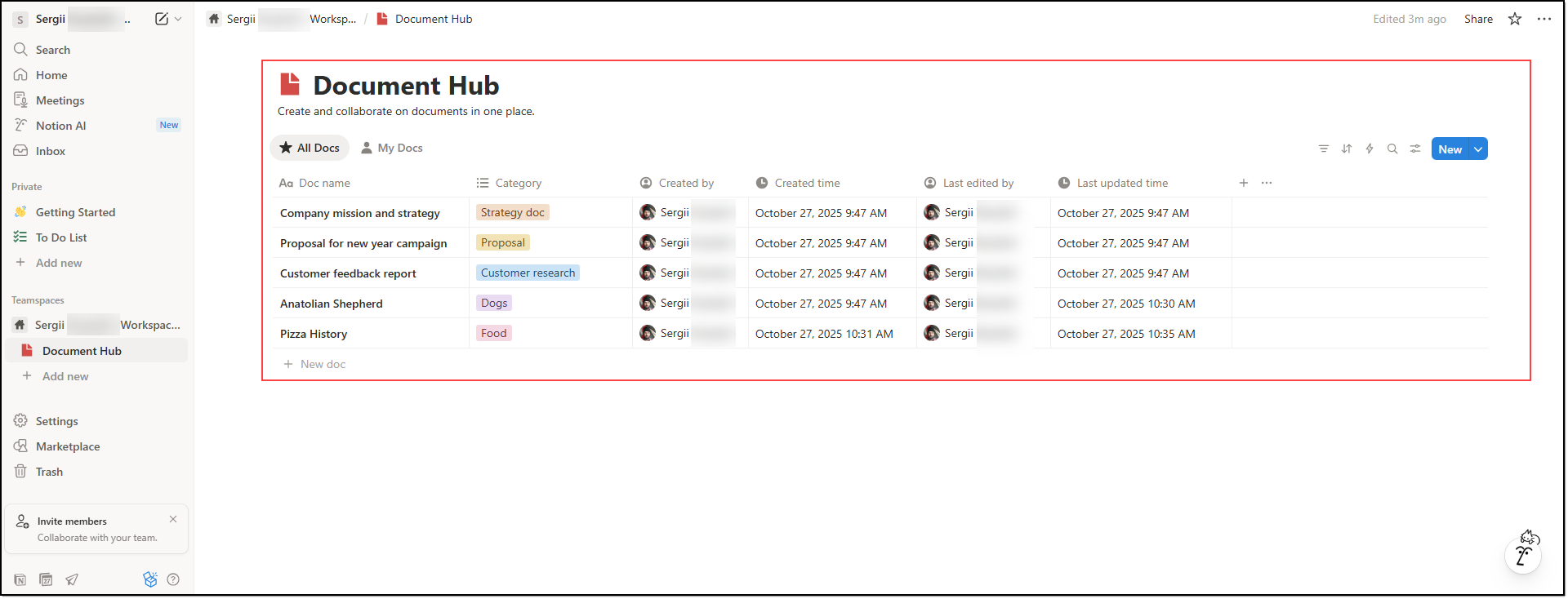
Figure 1. Viewing content stored in Notion
Once you have verified that there is content in your Notion space, you can start the configuration procedure on the Notion side. Read the sections below to learn more about it.
Creating Shelf integration in Notion
The first stage of the configuration procedure is to create a dedicated integration for Shelf in Notion. To do so, follow the steps below.
- Once logged in to your Notion account with valid credentials, go to the Integrations page at the following address: https://www.notion.so/my-integrations,
- On the page that opens, find and click New integration.
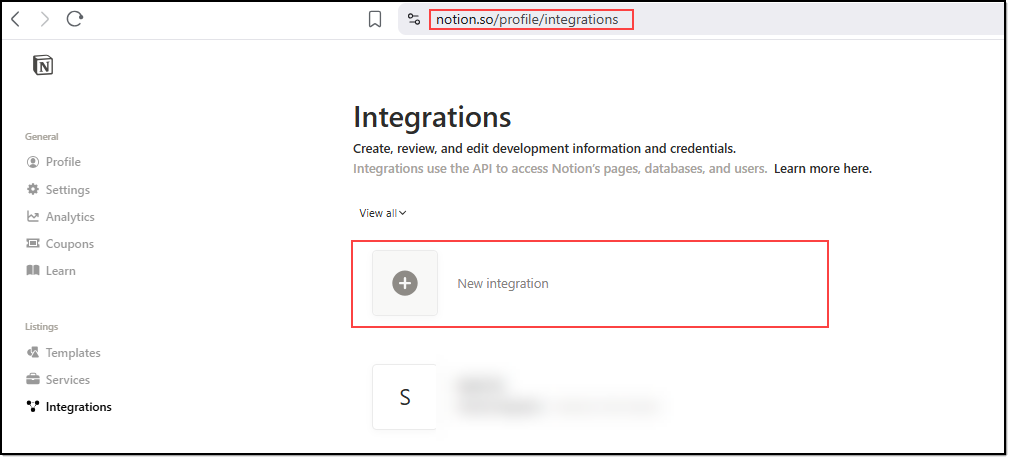
Figure 2. Accessing the Integrations page and starting creating new integration in Notion
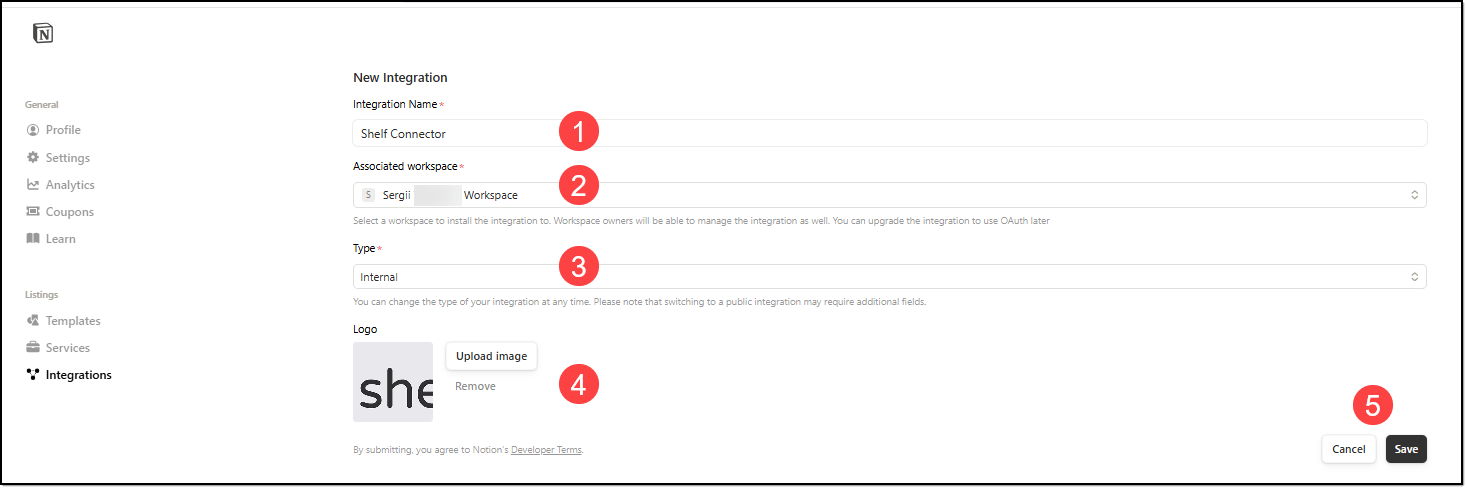
Figure 3. Creating new integration in Notion
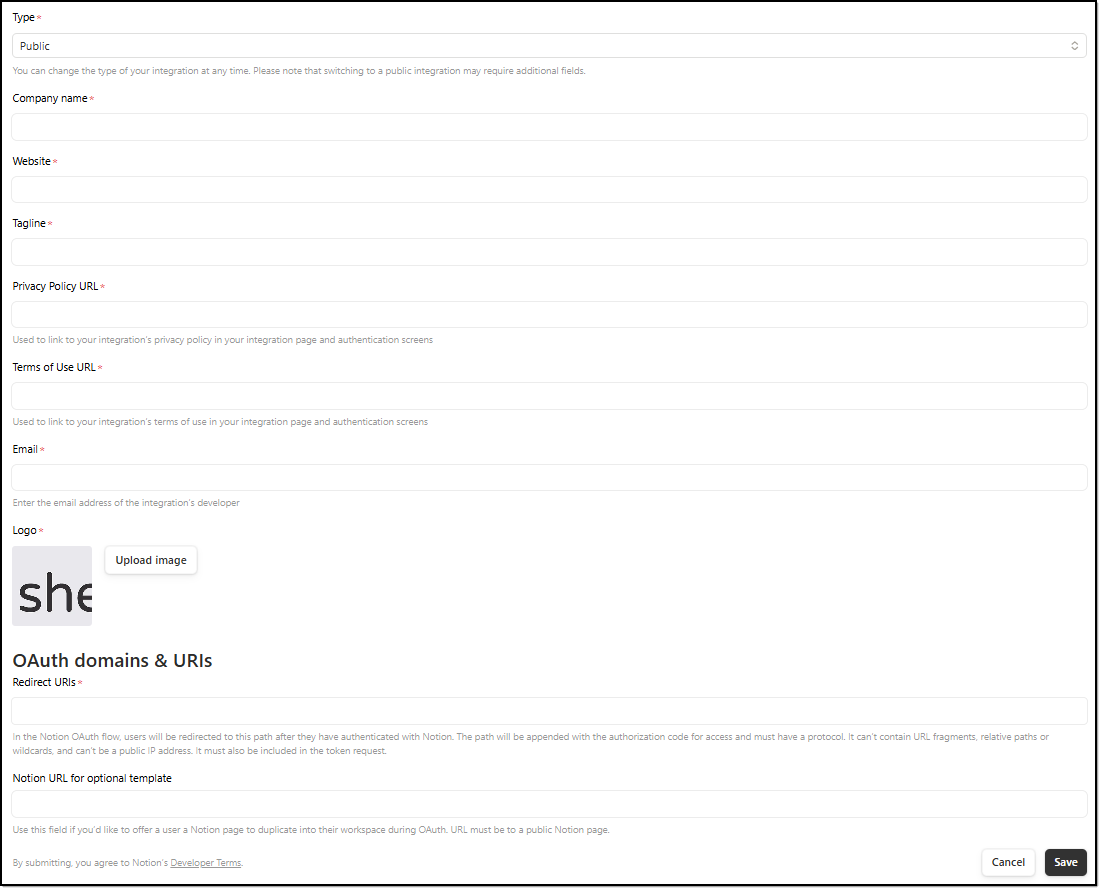
Figure 4. Creating Public integration in Notion
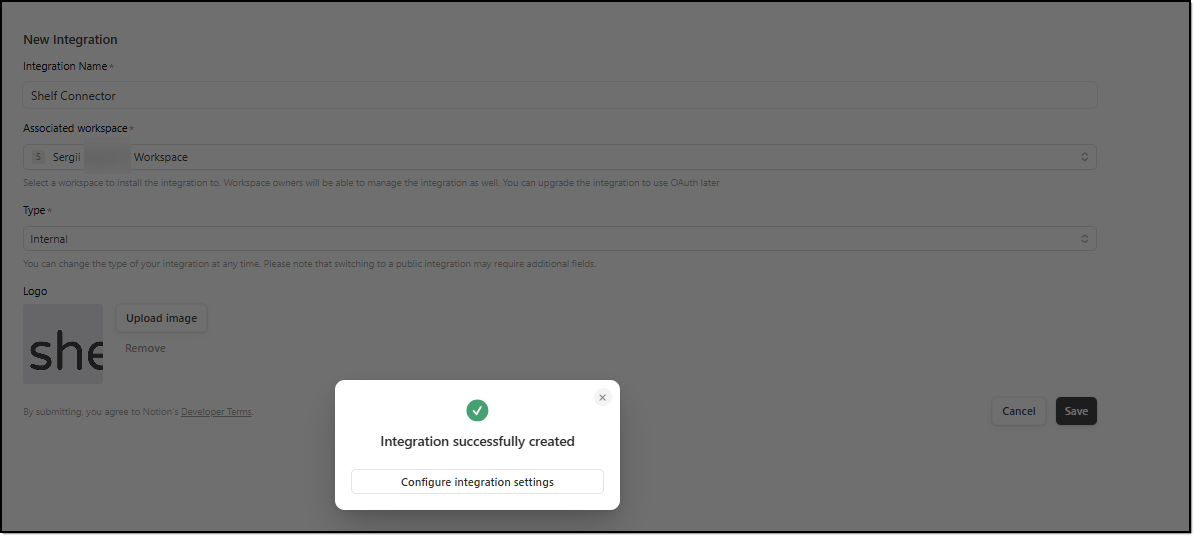
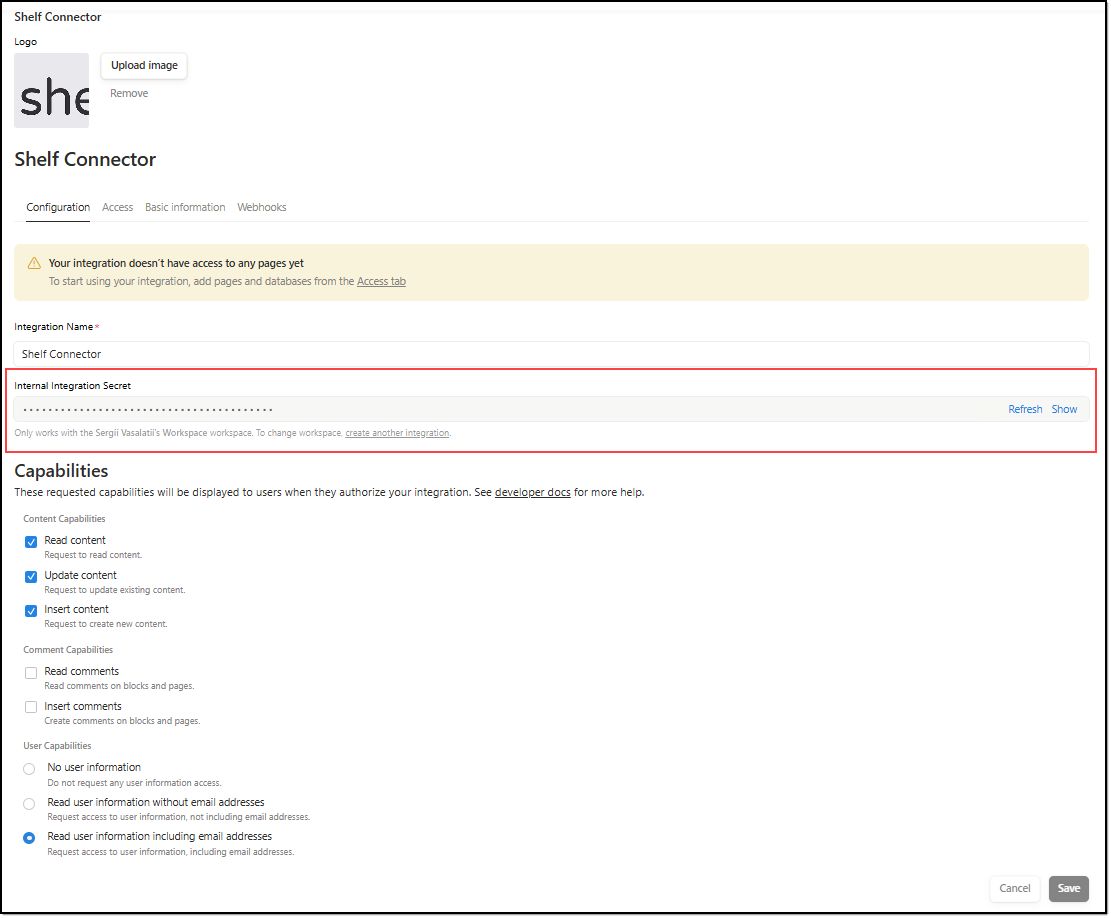
5. Once done, click Save. The success message should be displayed and prompt you to configure your integration.
Enabling access to Notion content
By default no Notion content is shared with the integration you have created. You first need to share the content with the integration INSIDE Notion before enabling its sharing with Shelf’s Notion connector.
To do so, perform the below steps.
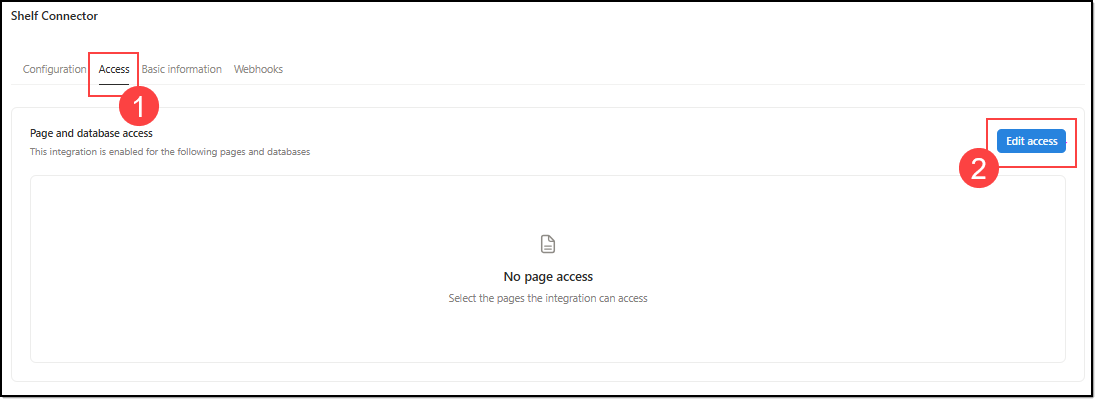 Figure 7. Configuring access to content in Notion
2) Click the Edit access button.
3) In the popup window that opens, find and select the workspace(s) with content you want to enable access to.
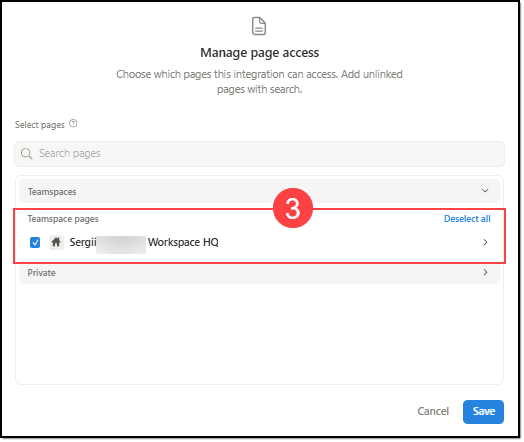 Figure 8. Enabling access for workspace in Notion
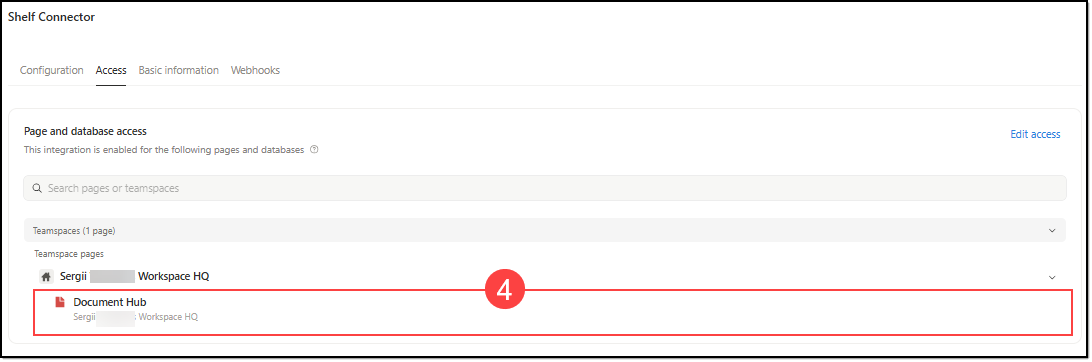 Figure 8. Enabling access for content hub in Notion
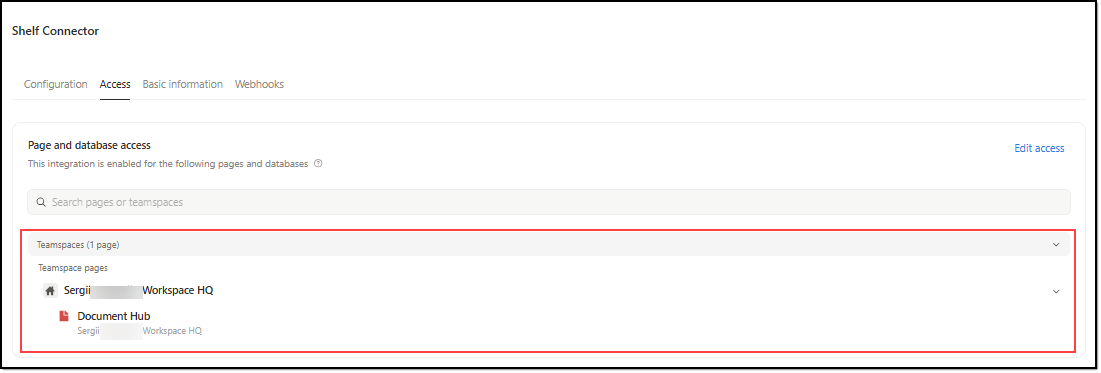 Figure 9. Verifying your integration has access to your Notion content
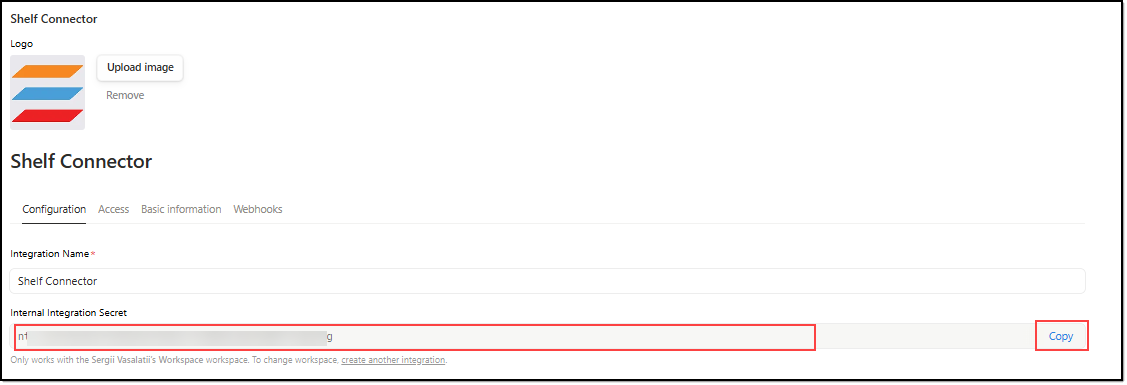
After you have created your Shelf integration, enabled its access to your Notion content, and copied its integration secret (token), you are done with the configurations on the Notion side and can do the same actions in Shelf. However, before proceeding to the configurations on the side of Shelf KMS, make sure you have content in your Notion storage.
Configurations on the Shelf side
This chapter and its subsections describe the steps you need to take to get your Notion connector configured and ready for use.
Accessing Content Integration Layer
From the standard workflow described above you see that to start configuring and using your Notion connector you need to access the Content Integration Layer feature. To do so, perform the following steps:
- Log into your Shelf NextGen KMS account using valid credentials.
- Once logged in, go to the Admin Panel by selecting the respective option in the dropdown menu.
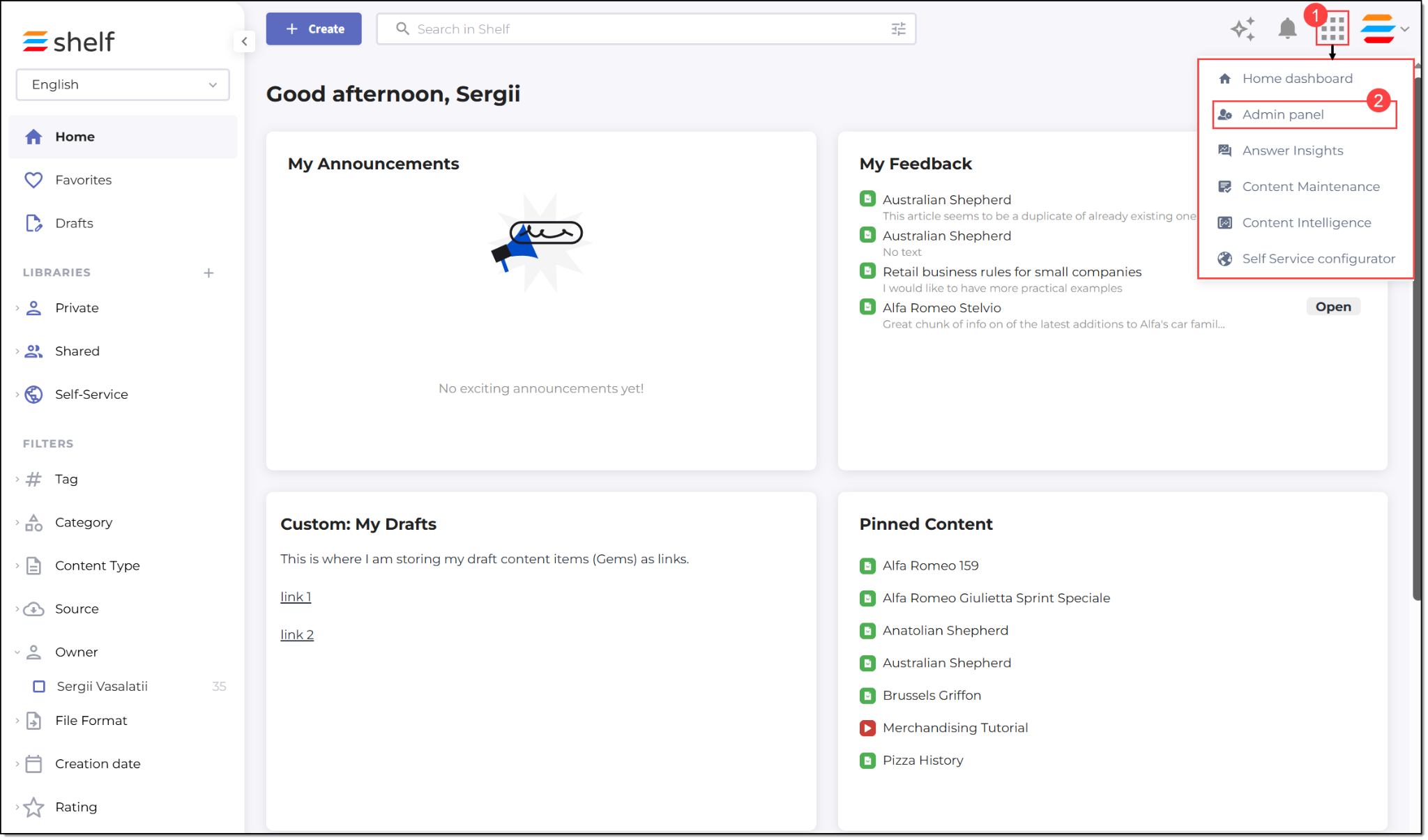 Figure 10. Accessing Admin panel in Shelf KMS
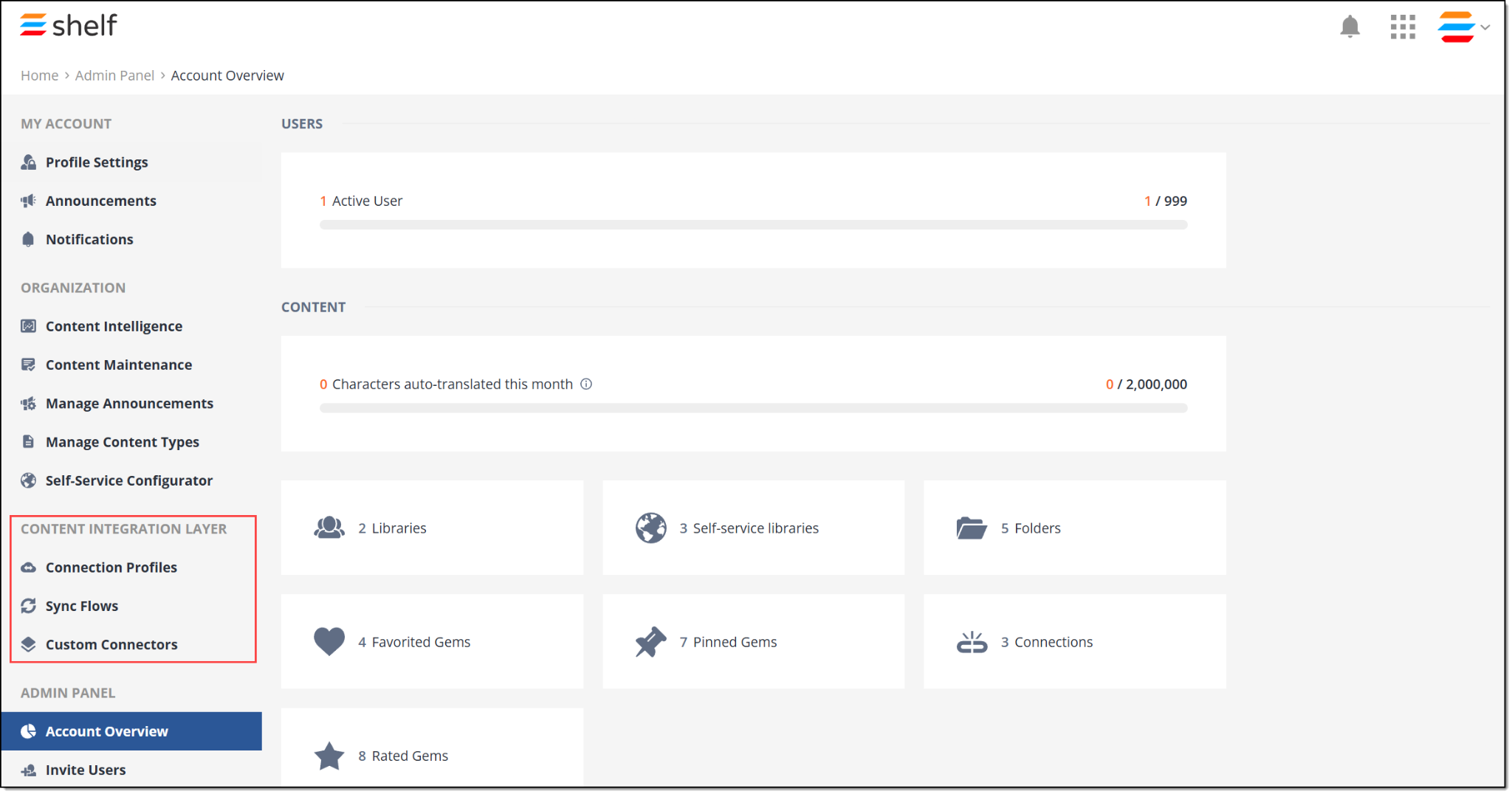
Figure 11. Accessing CIL modules in Admin panel
Configuring Notion connector
In fact, no configurations are needed for your Notion connector. It is prebuilt and preconfigured by Shelf and has the Pull type. You can see it in the connector list that appears once you select the Custom Connectors option in the Content Integration Layer section.
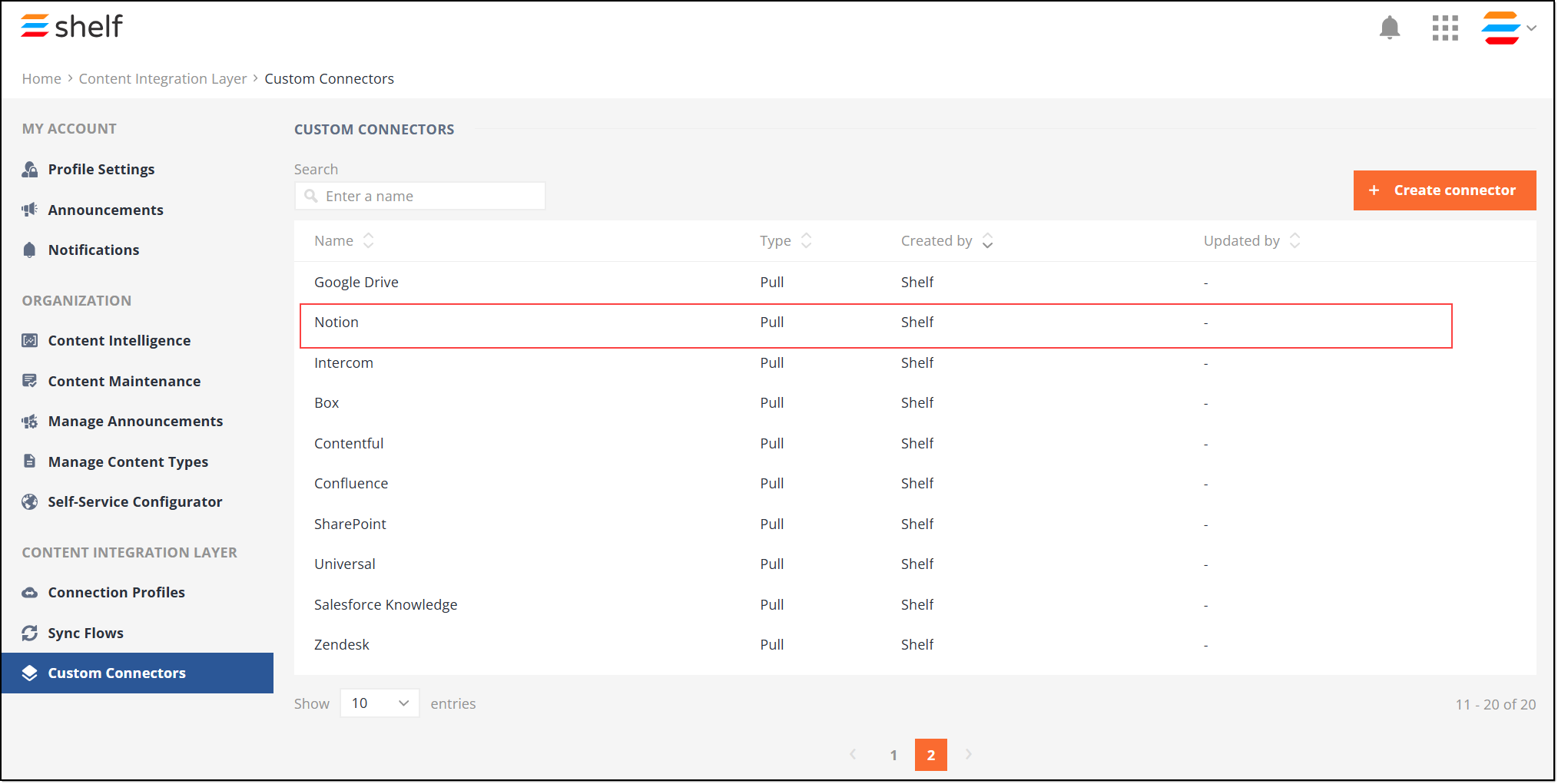
Figure 12. Viewing Notion connector in CIL
What you need to do next is to create and configure a connection profile dedicated to work with the external content source such as your Notion instance.
Configuring Notion connection profile
The Notion connection profile is a feature that uses the prebuilt Notion connector and allows Shelf NextGen KMS to access, authenticate on Notion, and communicate with it to find and sync content stored there. But to enable its proper operation, you need to create and configure it as described in the procedure below.
- In the Admin Panel in Shelf KMS, go to the Content Integration Layer section, find and select the Connection Profiles option.
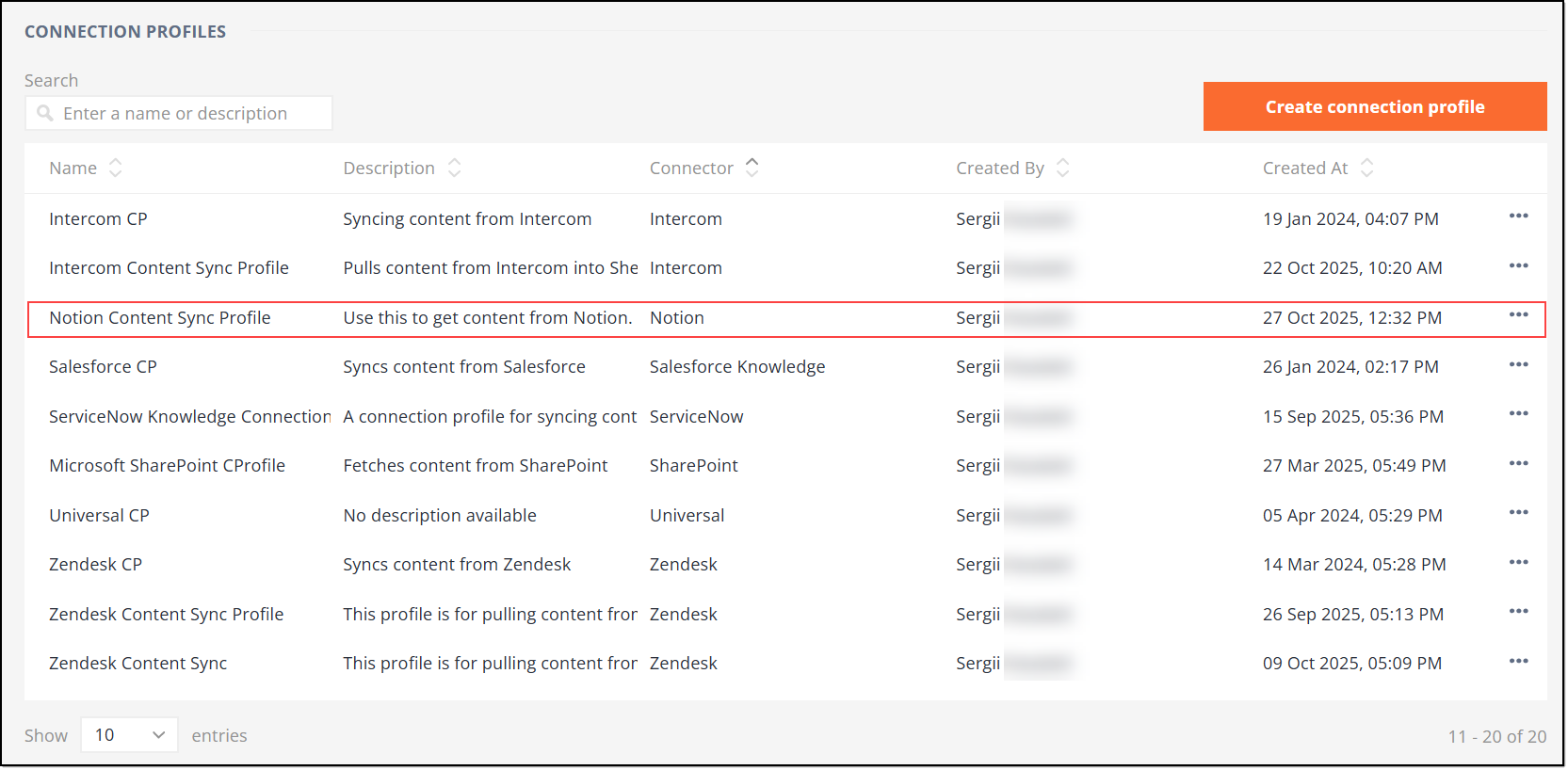
- In the Connection Profiles window that appears, you see the list of available connection profiles. Neither the prebuilt nor other custom connection profiles can be used for communicating with Notion, so you need to create a new connection profile. Click the Create Connection Profile button to start.
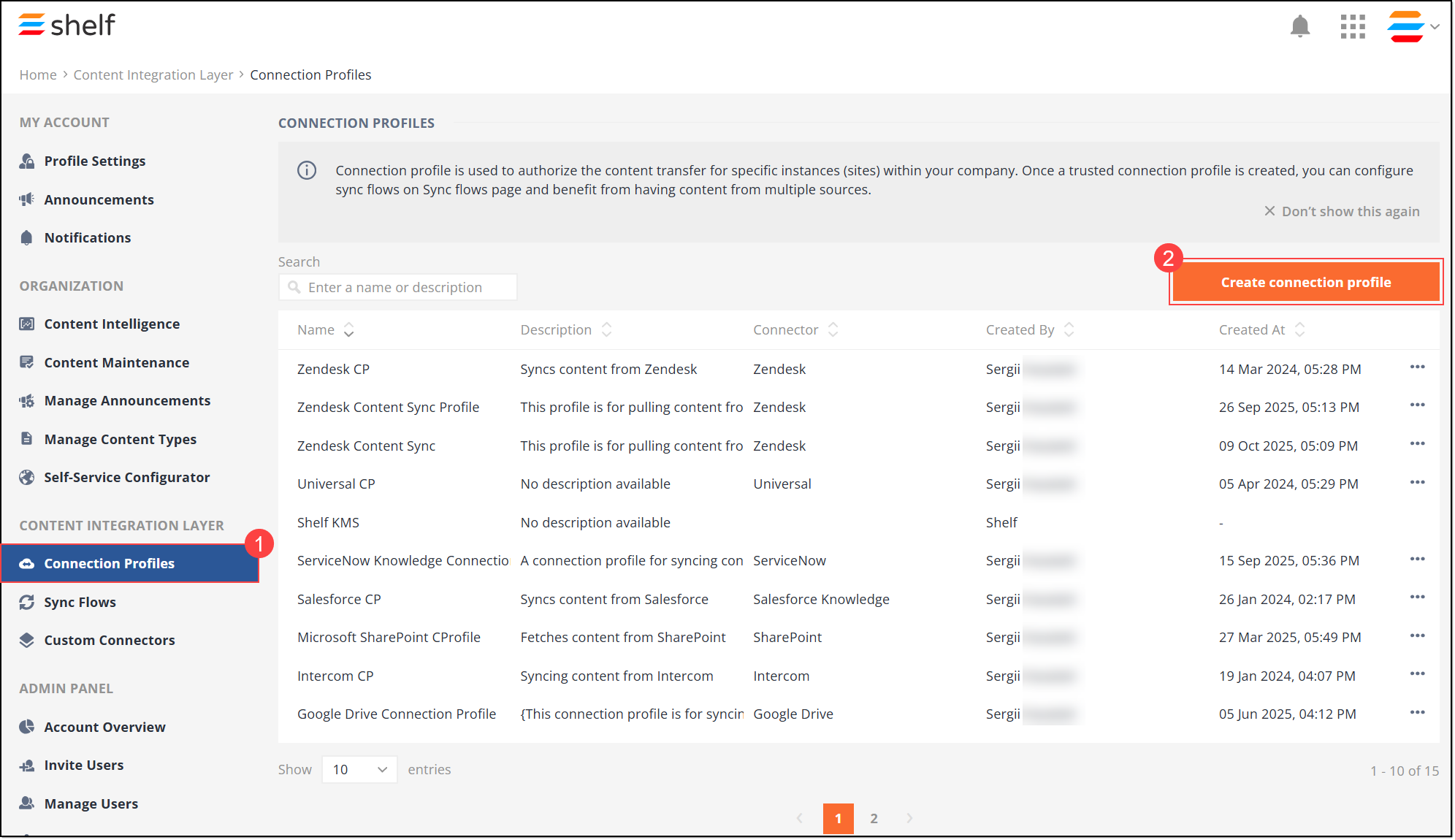
Figure 13. Accessing CIL connection profiles and starting creating new connection profile
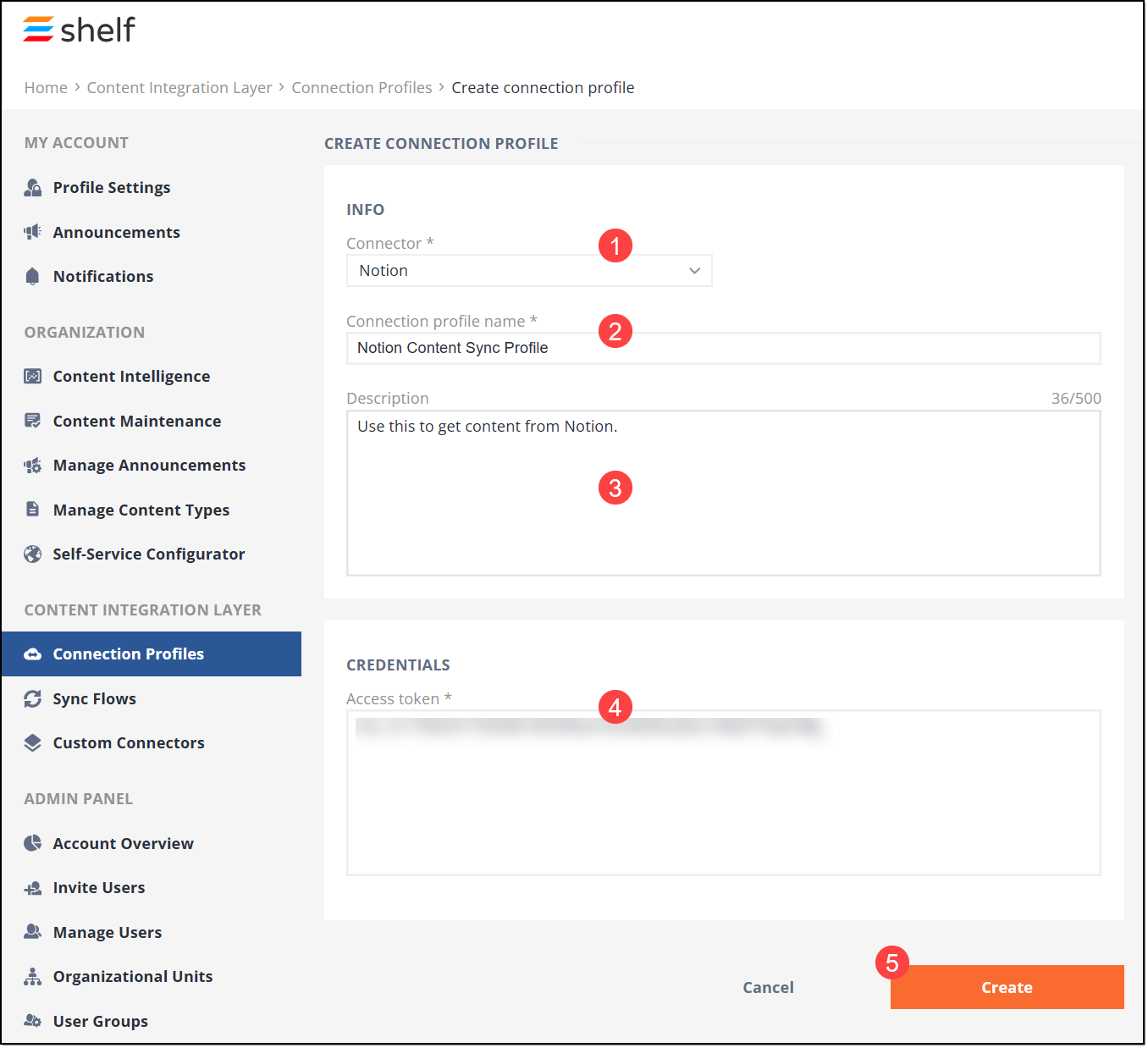
Figure 14. Configuring Notion connection profile in Shelf
In the Credentials section, the Access token field, you need to enter the Integration secret (token) value you have previously found and copied when creating your Shelf integration in Notion.
❗Note:
Fields with the asterisk symbol (*) are mandatory. If they are left blank, you are not able to save the connection profile you are creating.
Configuring Notion sync flow
Now that you have configured the Notion connector and connection profile, you need to create and configure the Notion sync flow. Sync flows are basically sets of instructions telling Shelf KMS what content and when it needs to pull from external sources, in our case - Notion.
To create and configure the Notion sync flow, perform the following steps.
- In the Admin Panel in Shelf KMS, go to the Content Integration Layer section, find and select the Sync Flows option.
- On the SYNC FLOWS page that opens and displays the list of available/created sync flows, find and click the Create sync flow button.
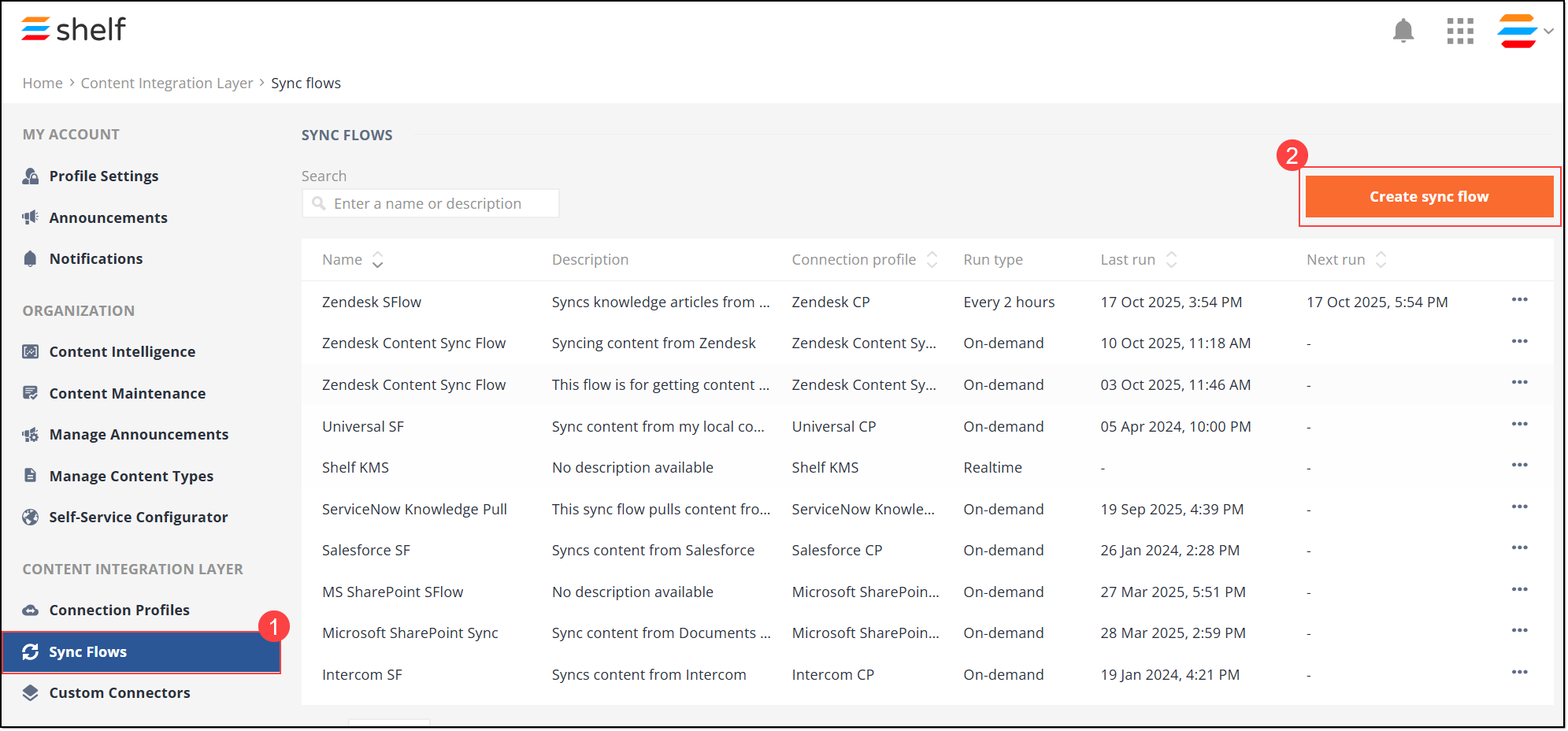 Figure 16. Starting creating Notion sync flow
 - In the CREATE SYNC FLOW form that appears, select the needed connection profile (1) from the dropdown list that opens if you click in the respective field. In our case—Notion Content Sync Profile. Add some title (2) for your sync flow, and description (3) if needed.
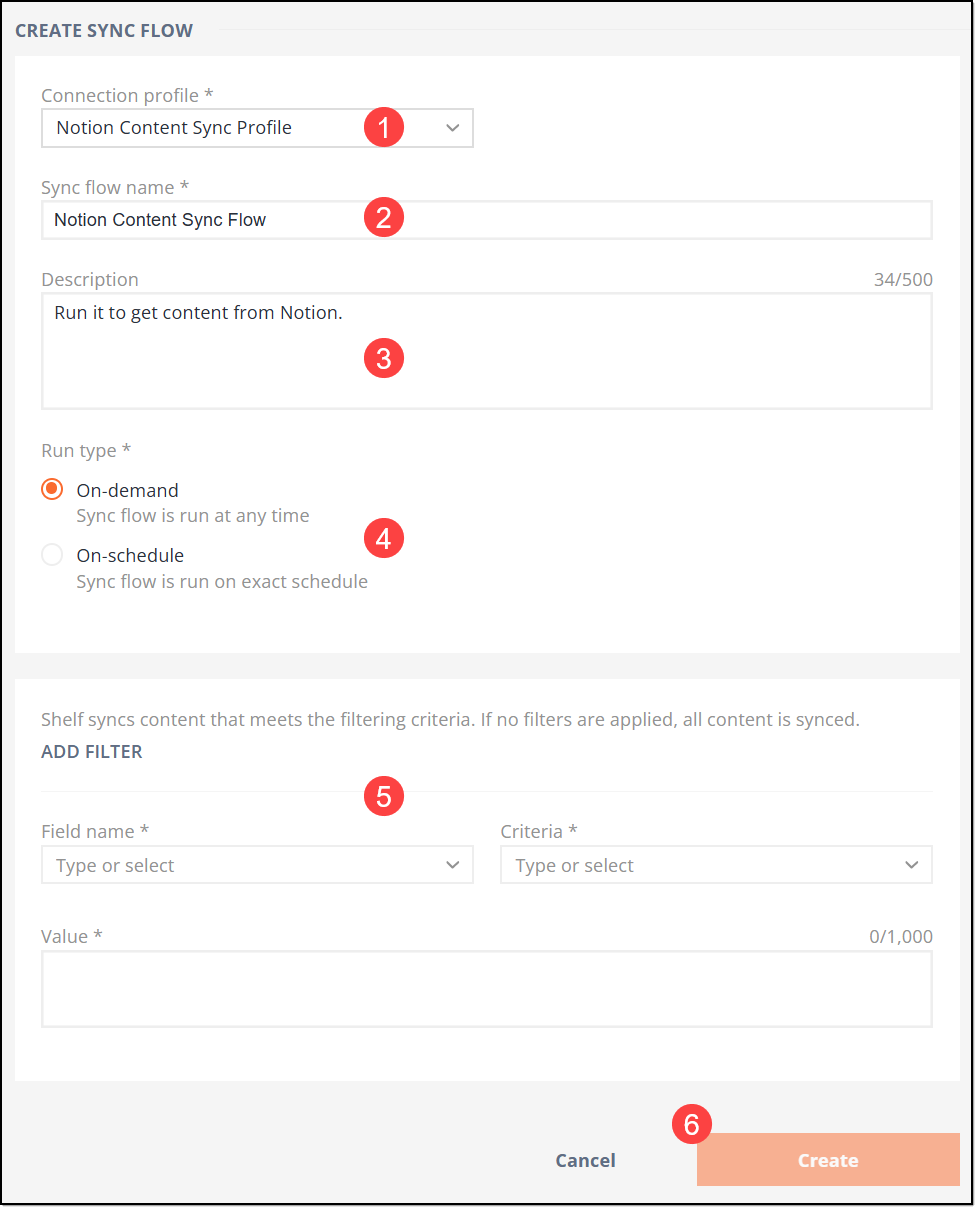
Figure 17. Configuring Notion sync flow
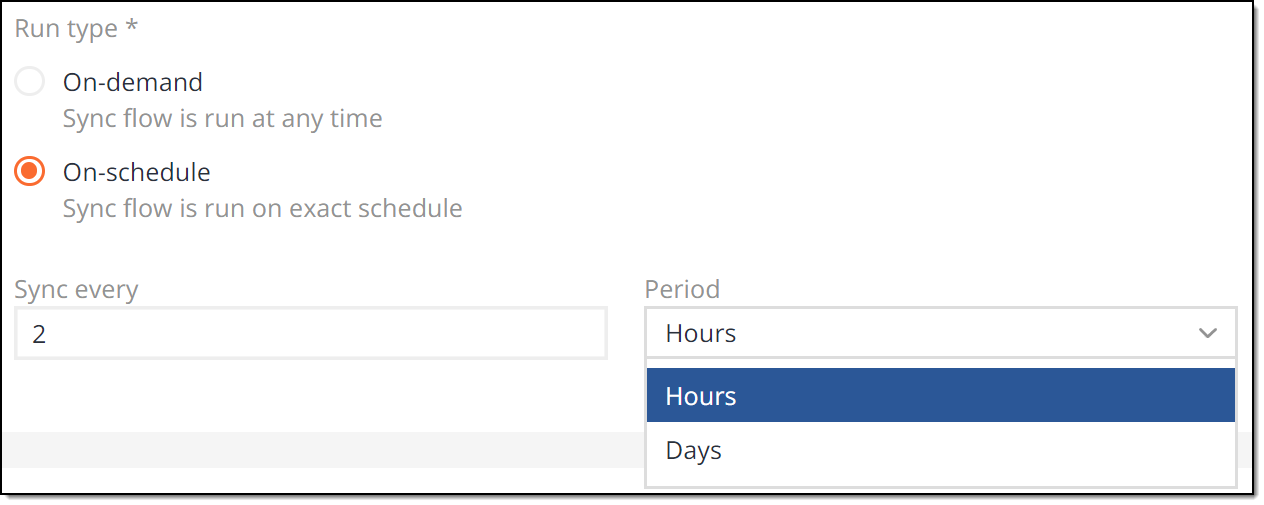
Figure 18. Configuring scheduled run of Notion sync flow
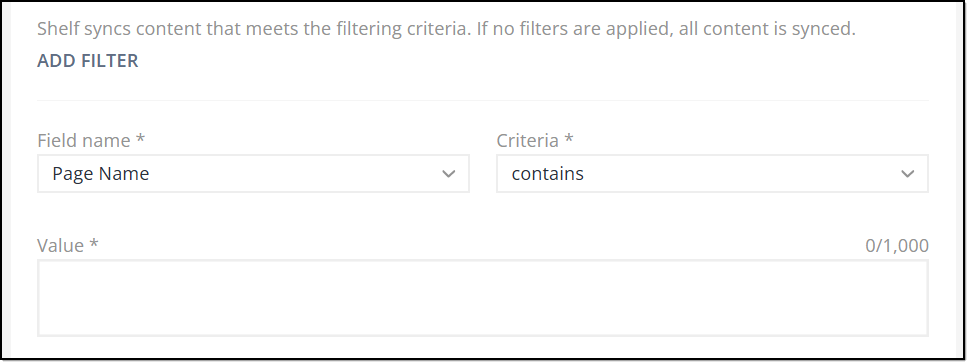
Once done, click the Create button to finish your Notion sync flow creation.
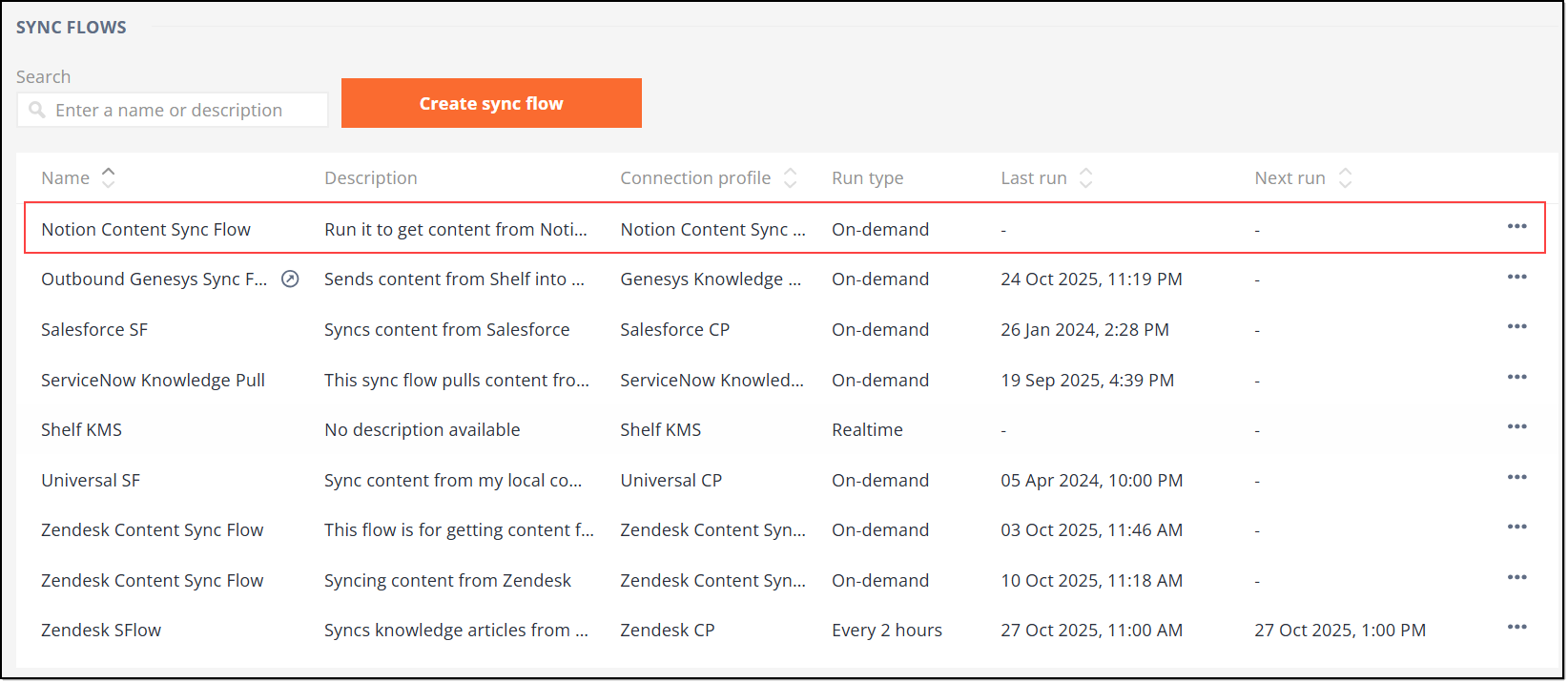
Figure 20. Verifying Notion sync flow is created and available for use
Running Notion sync job
Once you have created the Notion sync flow, you can either wait until it performs the content sync per schedule (if you have selected the On-schedule option for the sync flow run type), or start the sync manually at any time (if you have selected the On-demand option for the run type).
To manually start syncing your content from Notion into Shelf, follow the below steps.
- Open the newly created Notion sync flow, find and go to the Jobs tab in its window.
- In the tab window, find and click the Trigger Now button to start syncing content.
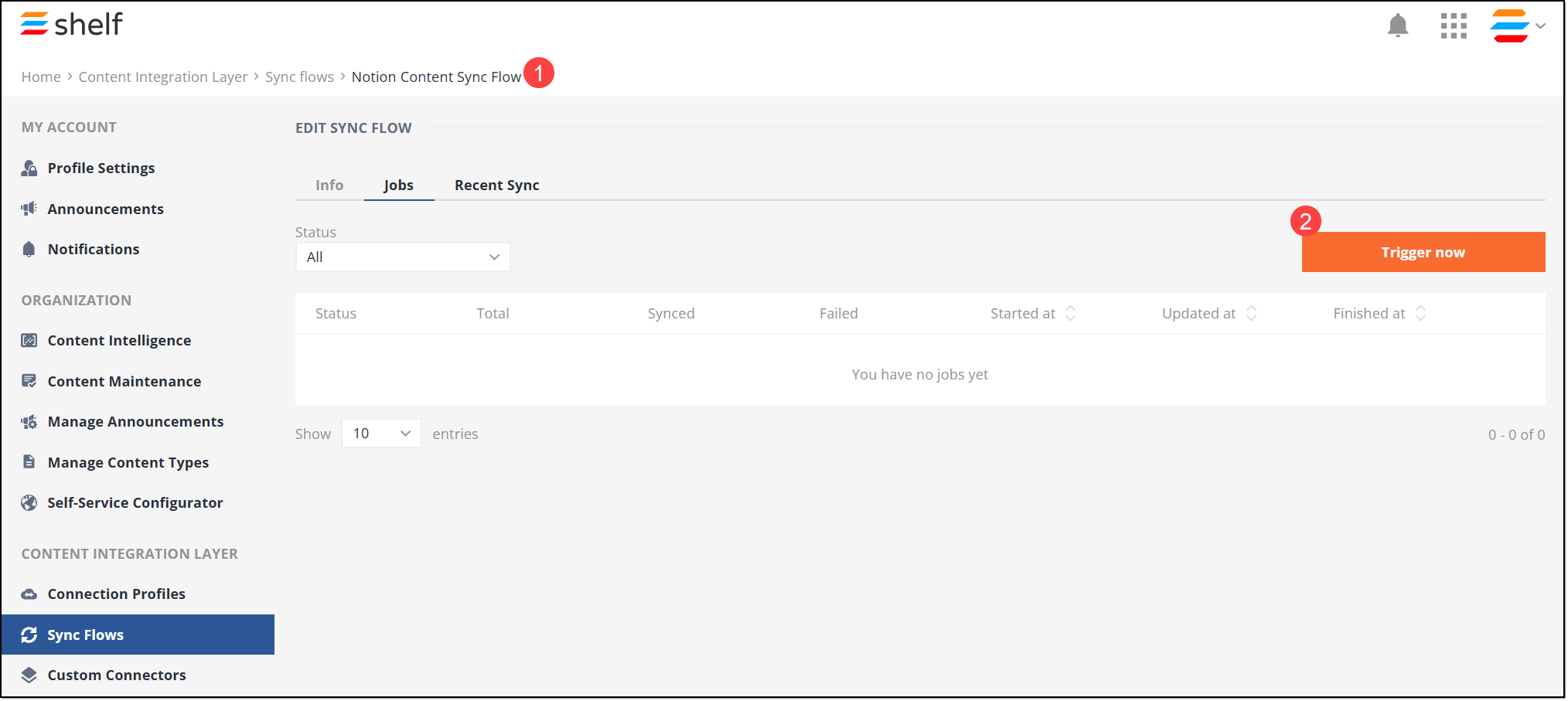
Figure 21. Manually running content syncing from Notion into Shelf

Figure 22. Confirming sync job start
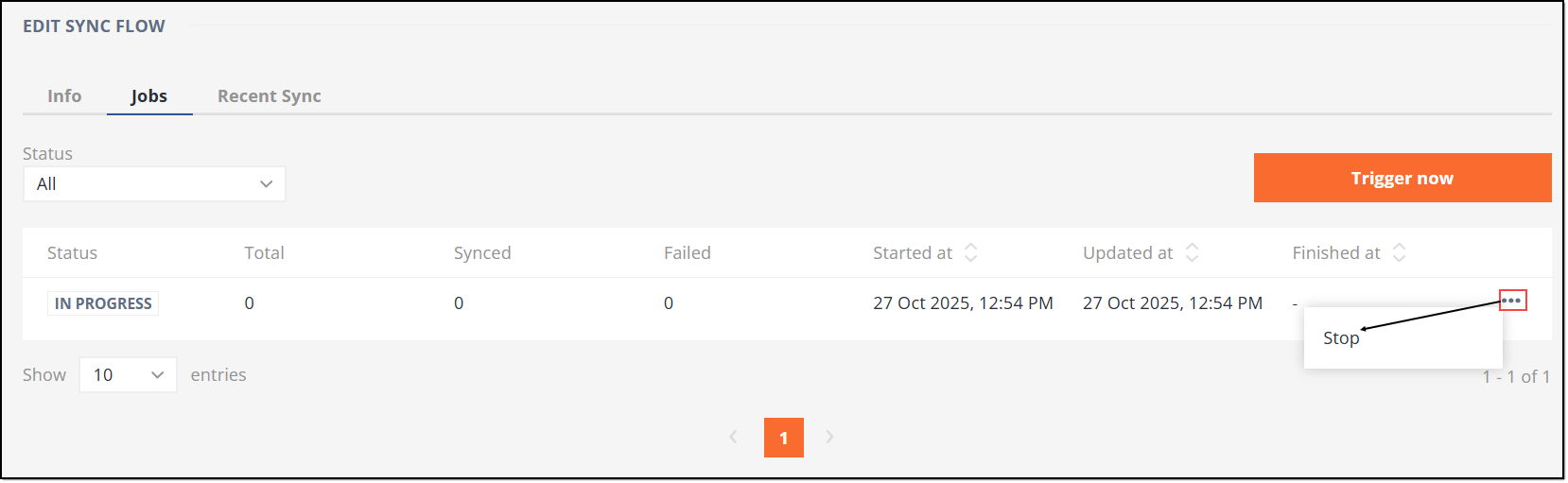
Figure 23. Viewing running sync job
❗Note:
The sync job can be triggered manually both for the on-schedule and on-demand sync flows, unless there is a sync job running at that time.
In the first case, the manually triggered job overrides the schedule set for the sync flow. At the same time, the sync flow execution will resume to occur per schedule after the manually triggered sync job is finished. If you manually trigger the sync flow job, it starts immediately.
If there is a running sync job in this sync flow when you attempt to start a new job, this new job will not be created and, respectively, the content sync will not be started. In this case you will see the error message informing that the job is already running.
If there are no other sync jobs running in this sync flow, the Jobs tab window refreshes, and a new job with the IN PROGRESS status appears in the table grid.
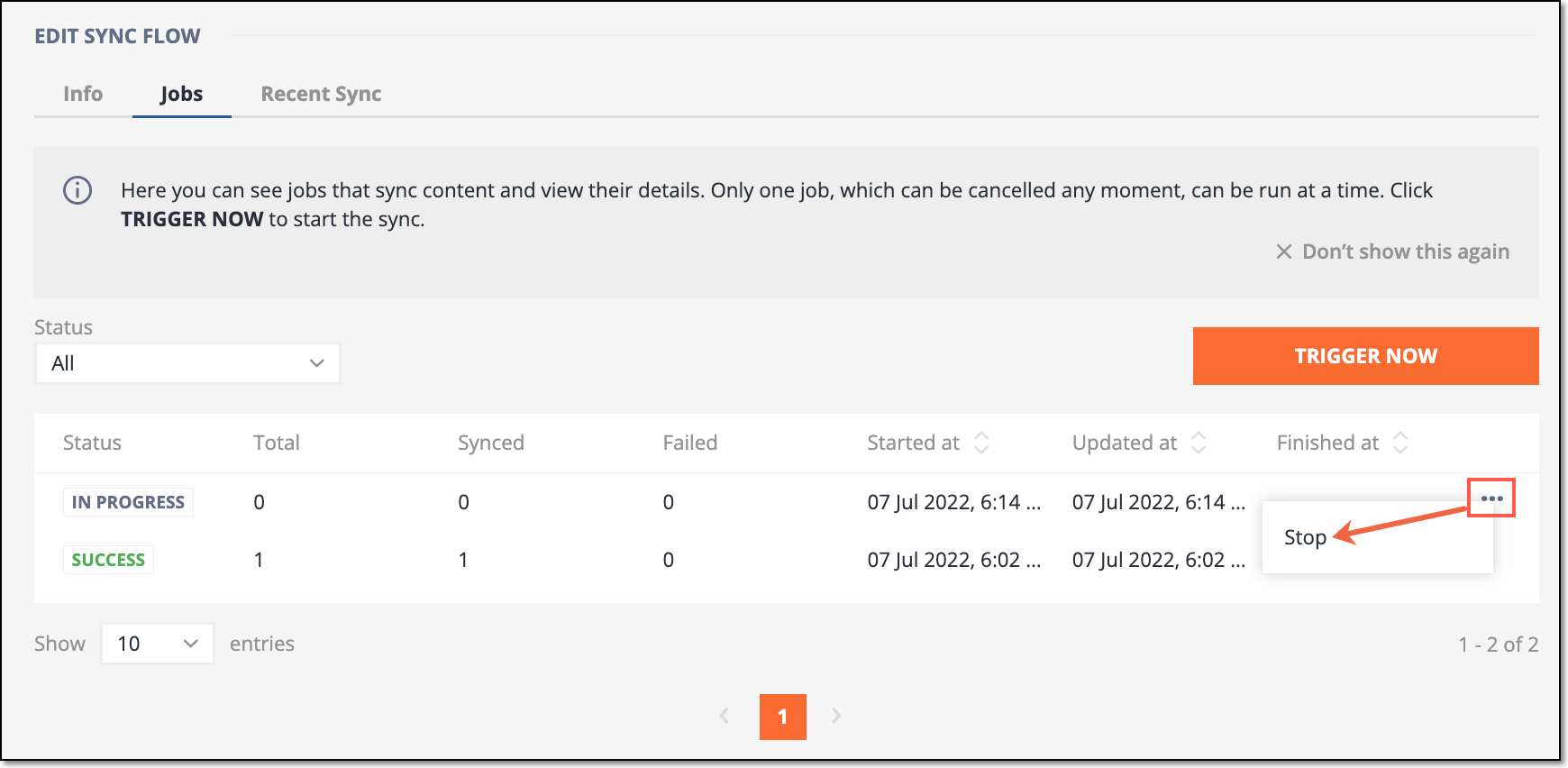
Figure 24. Stopping the sync job
Checking syncing results
Once the sync job triggered manually or on schedule is finished, you will see it to change the status to SUCCESS (if the sync was successful) or FAILED (if some issues occurred during the sync). In the latter case, check your configurations in the Notion connection profile and sync flow and rerun the sync job.
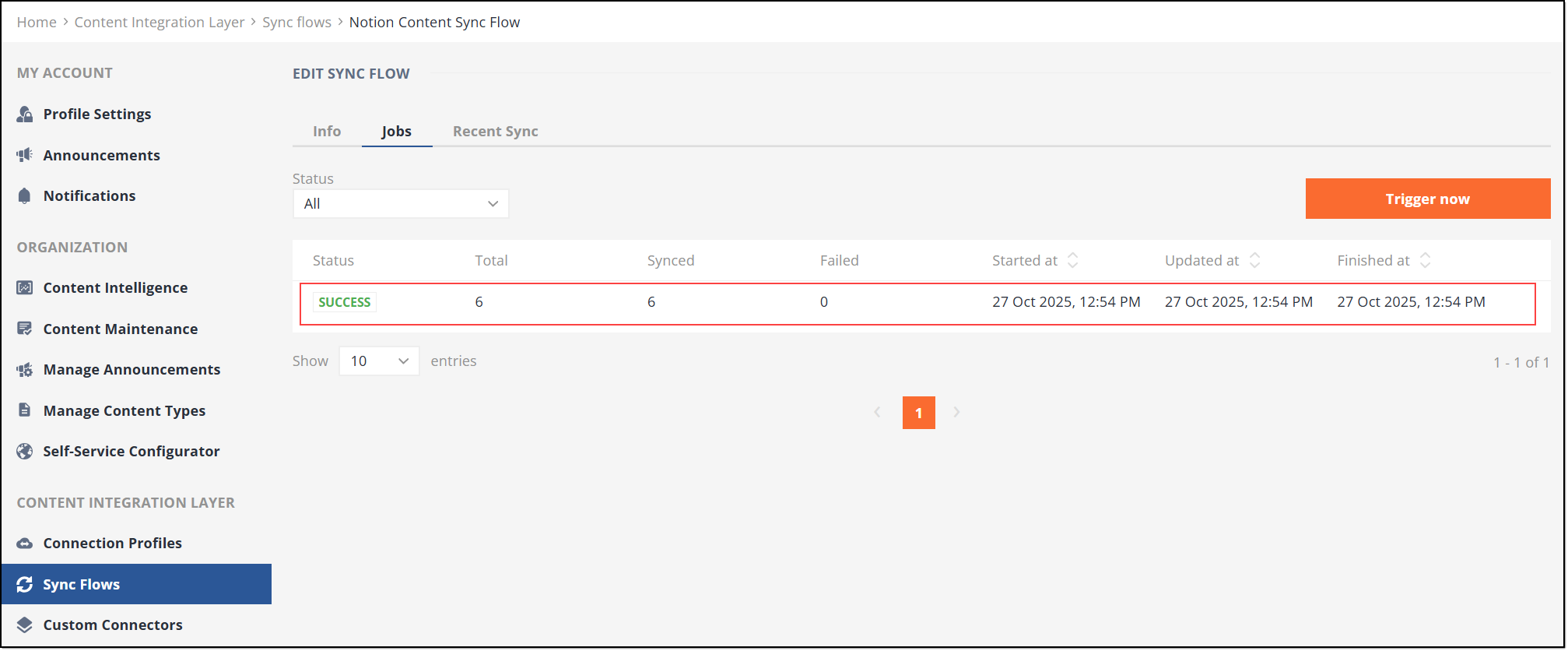
If the sync was successful, you can see the recently sync content directly from this window. To do so, open the Recent Sync tab and check the content items synced from Notion into Shelf.
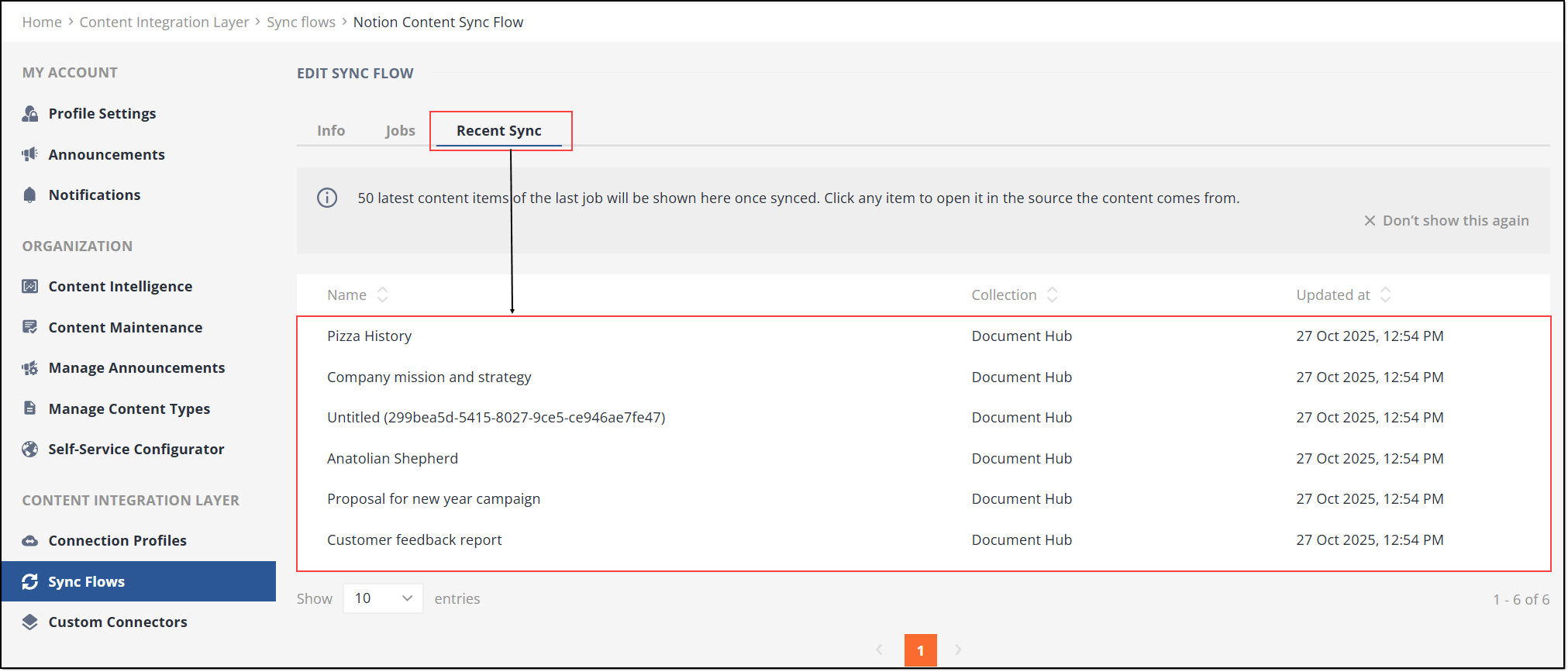
Figure 26. Viewing recently synced content from Notion
Note that the tab shows not more than 50 content items, so if you have synced more items, you will see them only after going back to the Shelf KMS Homepage and selecting the respective source - Notion.
Configuring Notion permissions in User Groups
Even when you successfully configured the Notion connector, connection profile, sync flow, run the sync job and pulled the content from your Notion repository, you need to add Notion collections to the permitted sources via Shelf’s User Groups feature. Otherwise, you will not be able to search for the synced content and otherwise manage it in Shelf KMS.
To set the mentioned collection permissions, go back to the Admin Panel where find and select the User Groups option in the left sidebar menu. Select the needed user group from the list to open it.
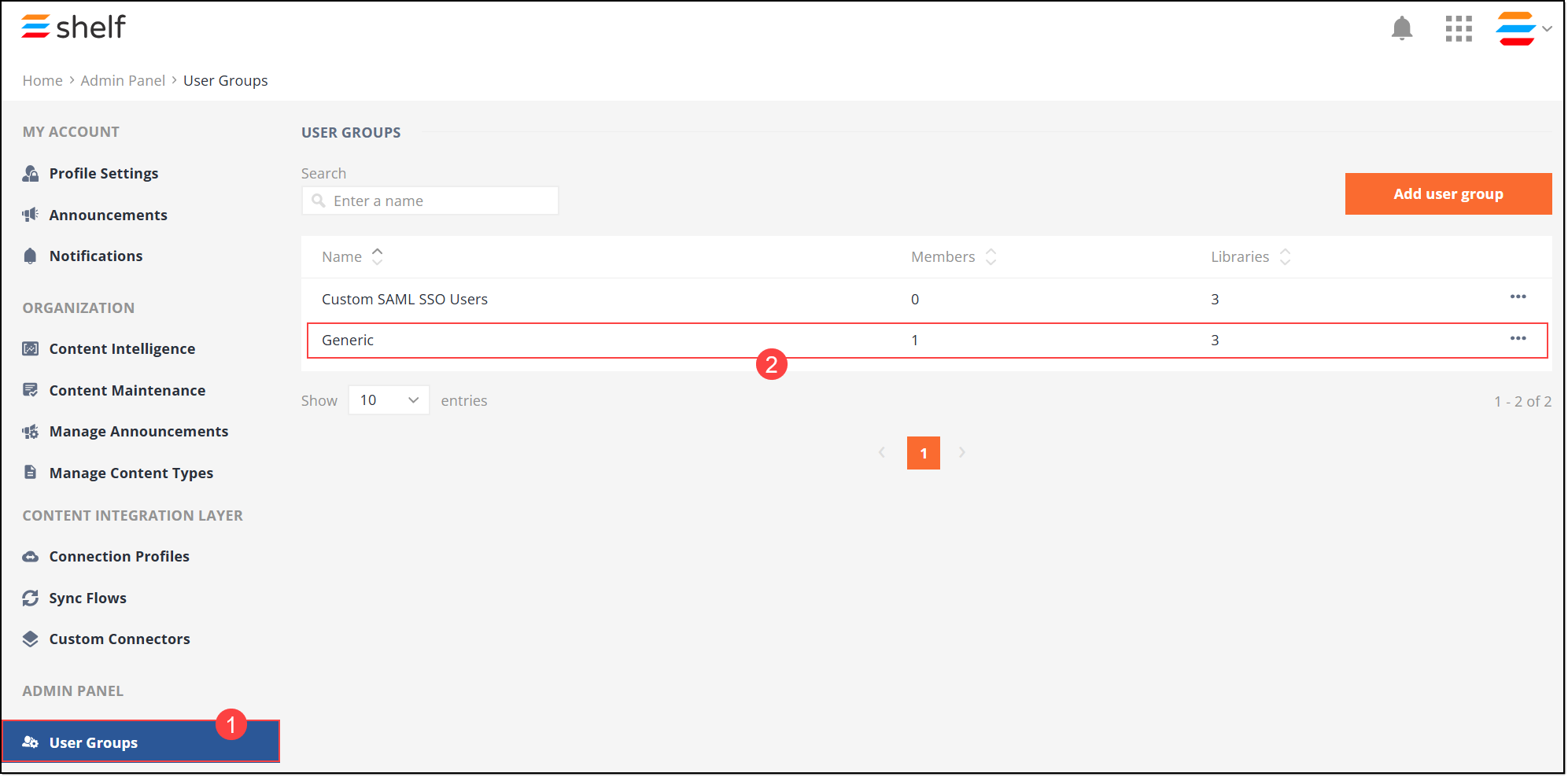
Figure 27. Accessing User Groups in Shelf
In the selected user group window that opens, go and select the Collection Permissions tab. Once it opens, click the Add Collection button.
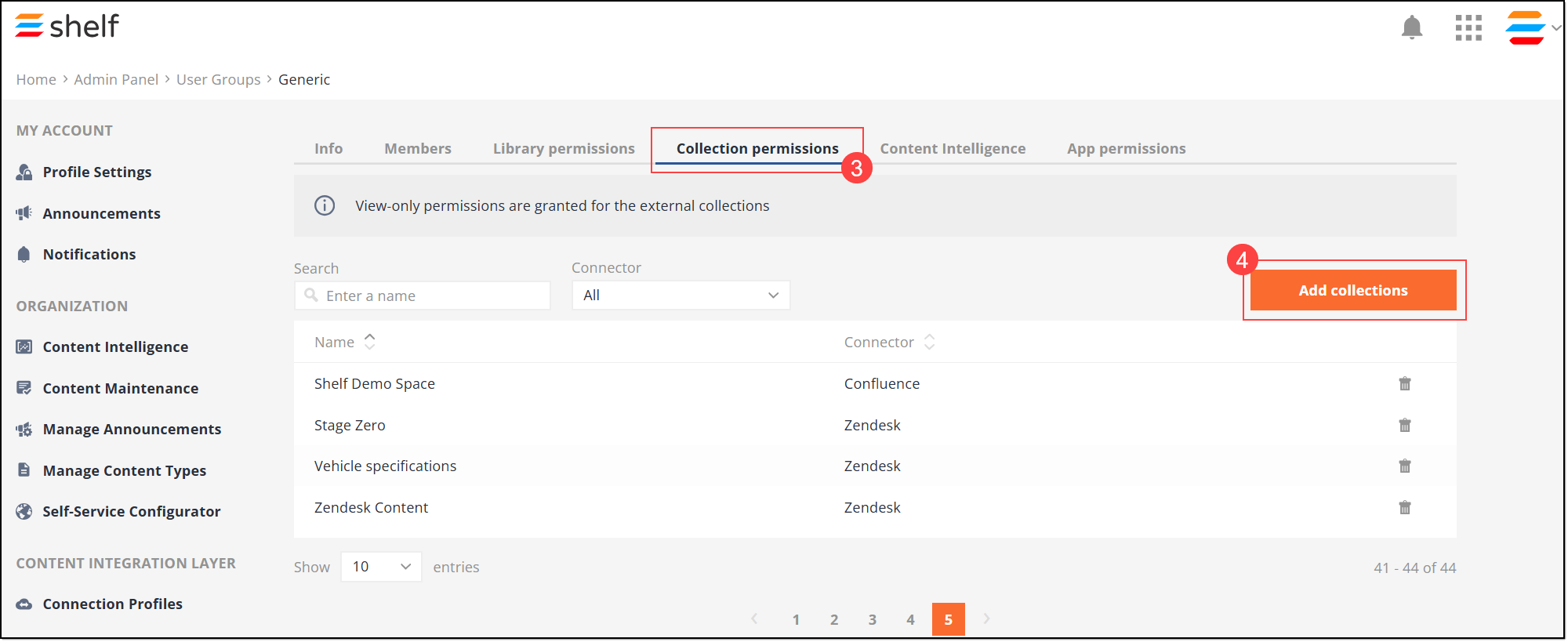
Figure 28. Configuring Notion collection permissions in Shelf
In the form that opens, find and select the needed Notion collections you want to allow.
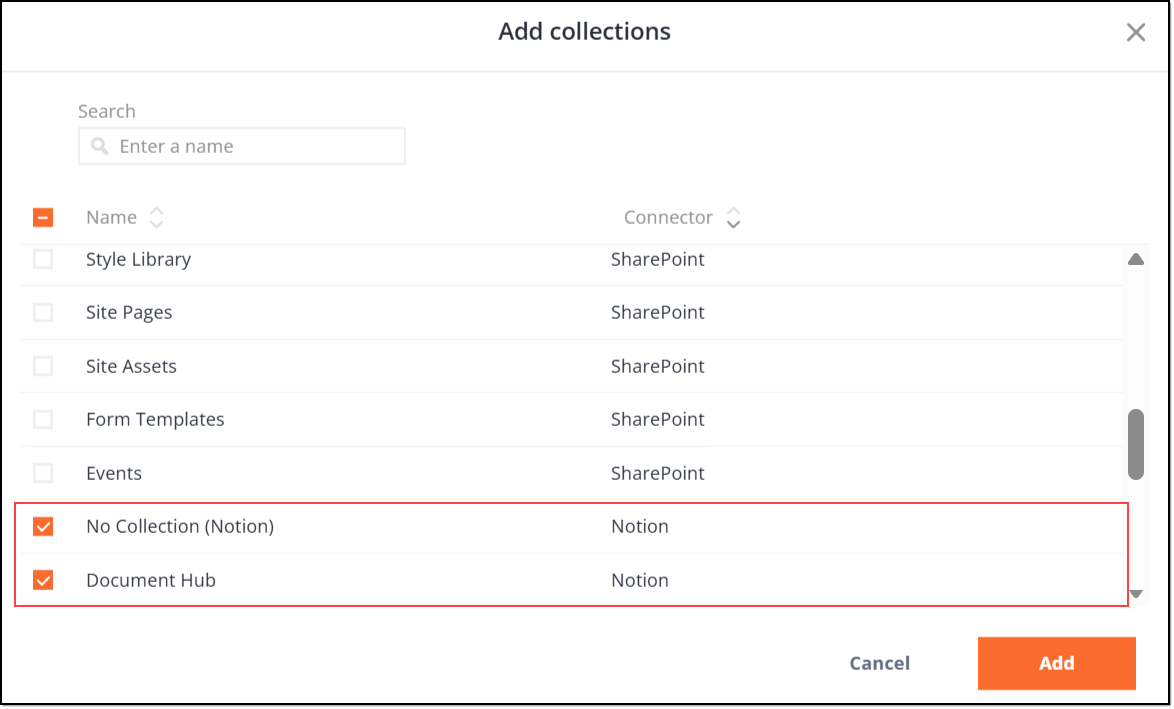
Figure 29. Selecting Notion collections
Confirm your choice by clicking the Add button. Once the collections are added, they appear in the list.
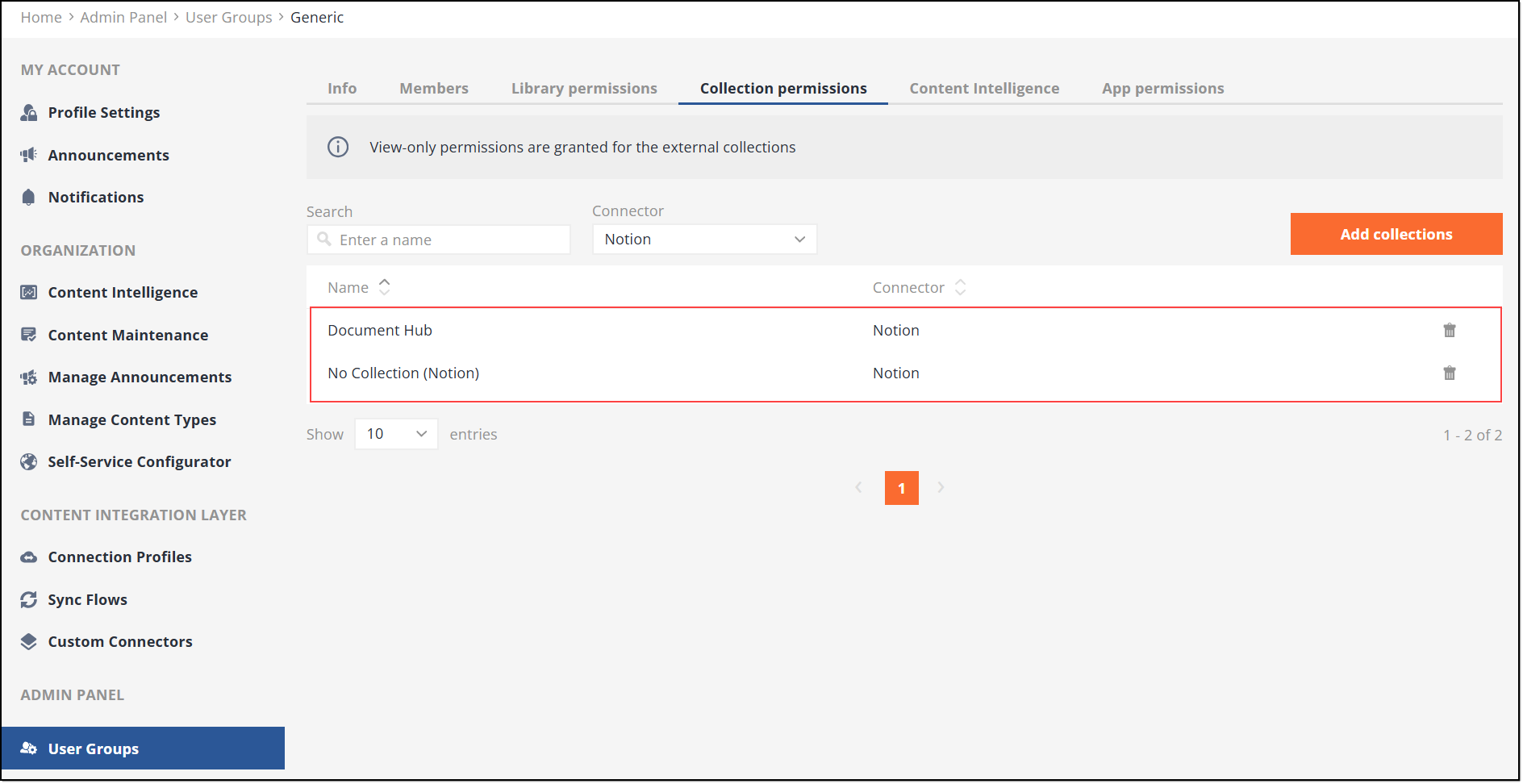
Figure 30. Verifying Notion collections are added
Once done, you are finished with all the configurations needed to sync content from Notion into Shelf KMS using the Notion connector.
Viewing Notion resources in Shelf
After completing all the configurations on your Notion connector and associated features and options, you can now view and work with the content synced into Shelf KMS from your Notion repository.
Go back to Shelf KMS homepage and select Notion as the needed source in the navigation panel.
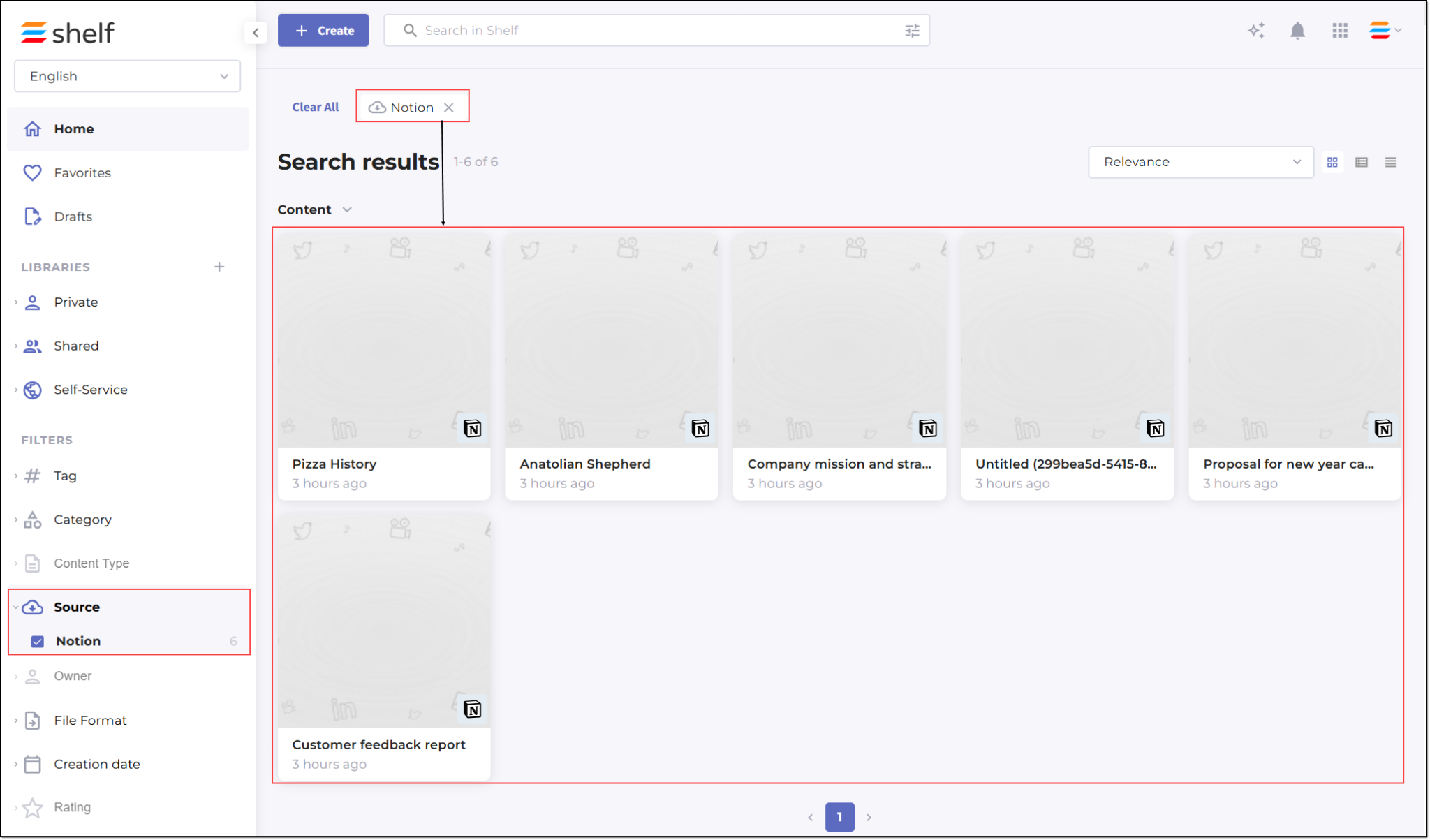
Figure 31. Viewing content synced from Notion into Shelf
Note that if you select any content item synced from Notion it will open in Notion not in Shelf KMS.
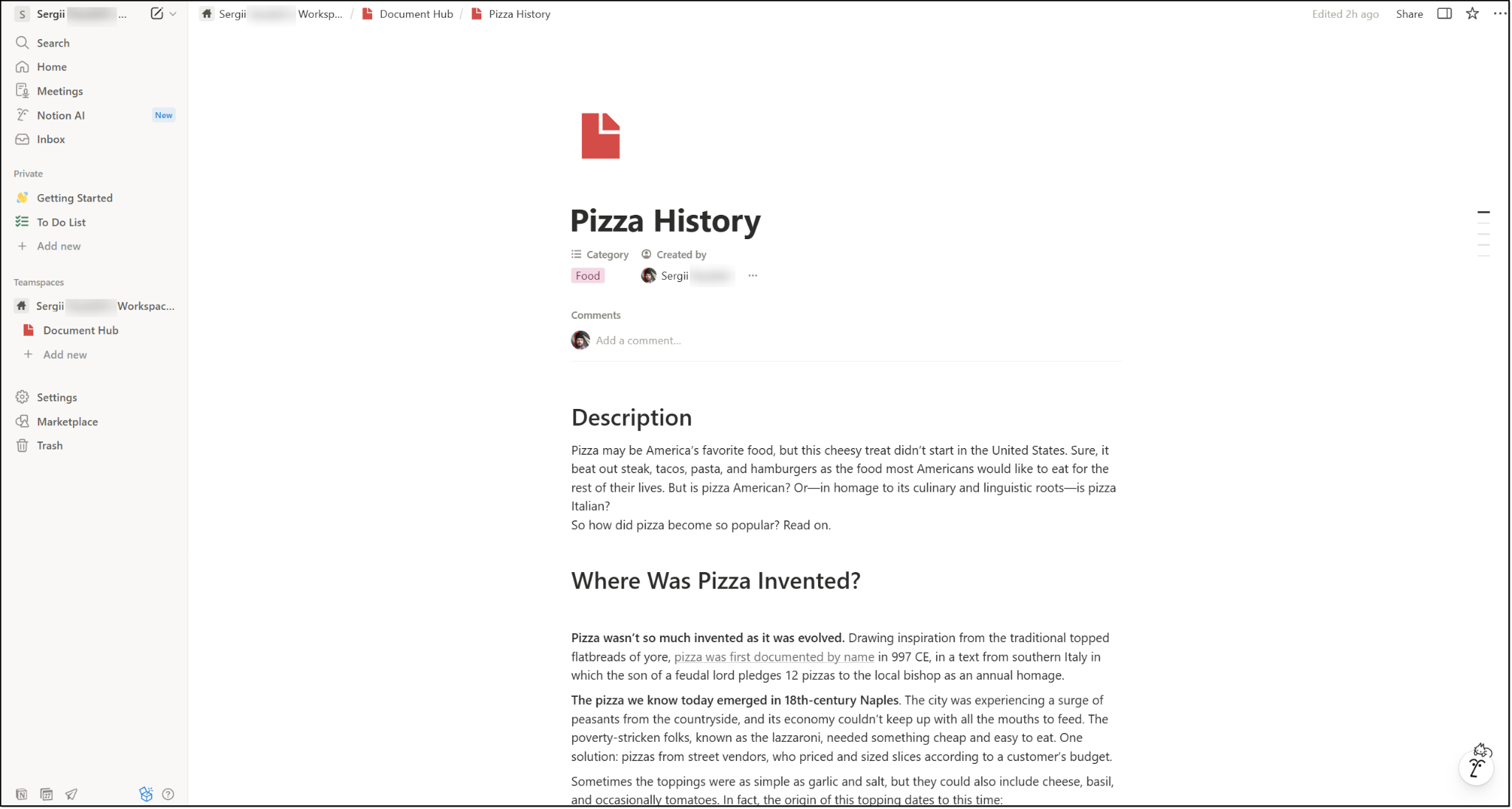
Figure 32. Viewing content item in Notion
Now, you can enjoy all the benefits, including the AI-enabled features such as Search and Analytics Copilots, of Shelf KMS in relation to your content synced from Notion.
In particular, you can filter this content using the Collections filter in Shelf KMS’s advanced search, as shown in the figure below.
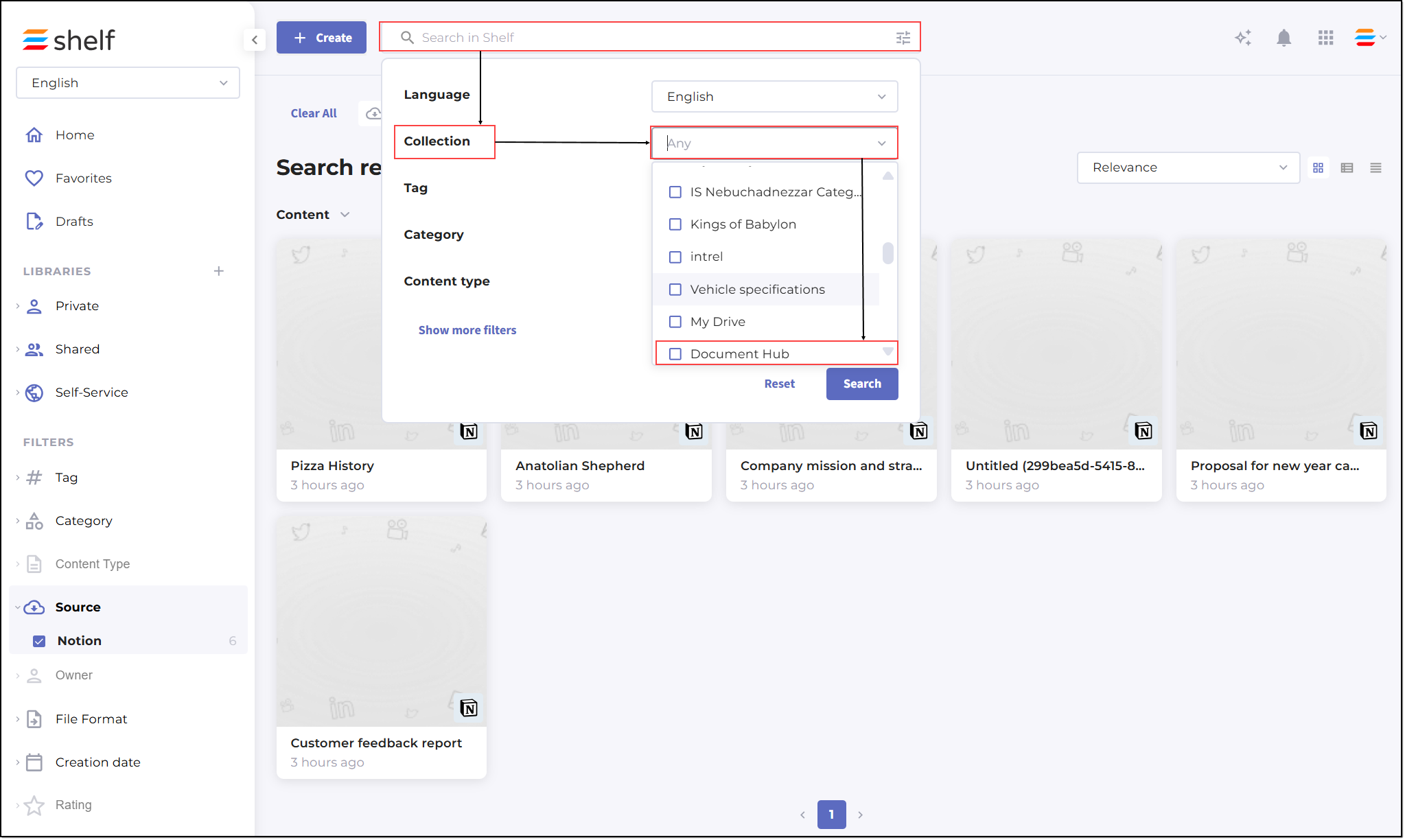
Figure 33. Searching synced content using Collections filter in Shelf KMS search
You can also search across the articles synced from Notion by title, description, and content (keyword(s) or phrase(s)). Generally, you can use virtually all the capabilities of Shelf KMS in relation to searching, viewing, and managing content synced from Notion.
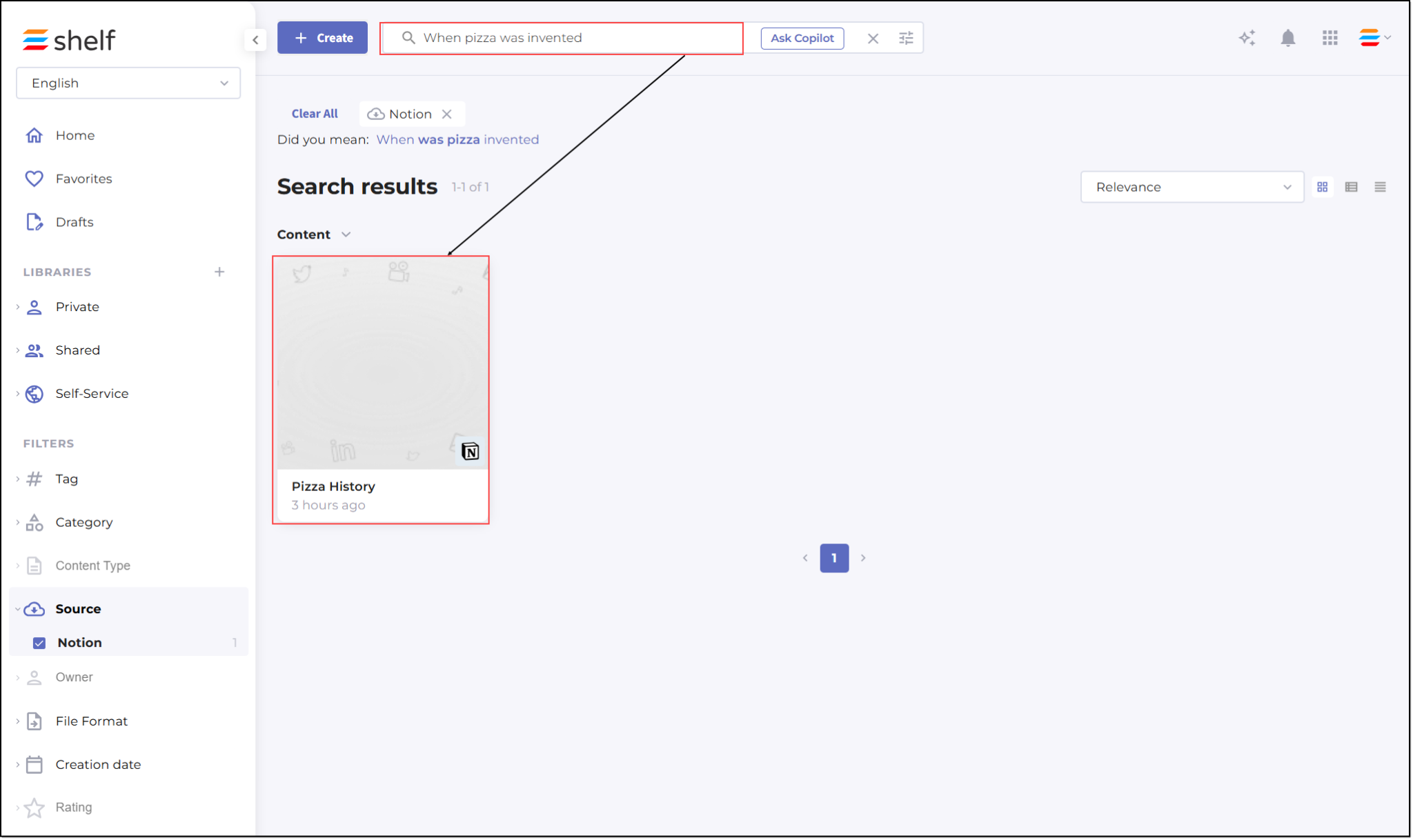
Figure 34. Viewing search results for Notion articles